North Iowa Behavioral Health Summit
Date: May 20, 2026
Time: TBD • Cost: $35
Muse Norris Conference Center
Continuing Education Credit offered
-
8:00 - 8:30 a.m.
Registration & Refreshments
-
8:30 - 8:35 a.m.
Welcome
-
8:35 - 9:35 a.m.
Behavior Health Crisis in the Farming Community
Brenda Tyrell, PhD, YSS -
9:35 - 11:05 a.m.
Connection as Treatment: Understanding Loneliness and the Potential Role of the Human-Animal Bond
Katy Schroeder, PhD, NCC, University of Iowa
-
11:20 - 12:00 p.m.
Community Crisis Response Team, CCRT
John Derryberry, 43 North Iowa
-
12:30 - 1:30 p.m.
Emerging Risks & Established Treatments In Opioid Use Disorder
Shea Jorgensen, MD, Chief Medical Officer, Prairie Ridge -
1:30 - 3:00 p.m.
Opioid Overdose Education & Naloxone Training
Christine Riggert, BA, CPS
-
3:15 - 3:45 p.m.
Person With Lived Experience
TBD -
3:45 - 4:00 p.m.
Conclusion
Speaker Info

Behavior Health Crisis in the Farming Community
Description: Info coming soon!
Learning Objectives: Info coming soon!

Connection as Treatment: Understanding Loneliness and the Potential Role of the Human-Animal Bond
Description: This session explores loneliness as a critical, yet often overlooked social determinant of health, highlighting its impact on physical health, mental health, and substance use disorders. Participants will learn why identifying and addressing loneliness in clinical settings is essential to improving overall patient outcomes. Presenters will also examine the potential role of the human–animal bond in mitigating loneliness. The session will review both the benefits and limitations of incorporating animals into patient care, as well as the practical and ethical considerations clinicians should weigh when discussing or recommending companion animals as part of an individualized, comprehensive approach to reducing loneliness.
Learning Objectives:
-
Describe the impact of loneliness on physical health, mental health, and substance use disorders.
-
Recognize loneliness as a key contributor to overall patient well-being.
Identify opportunities to address loneliness within clinical settings. -
Identify ways in which the human–animal bond may influence loneliness and social connectedness.
-
List the benefits, limitations, and potential risks of incorporating companion animals into behavioral health treatment plans, including considerations related to patient needs, capacities, and environment.
-
Apply practical considerations when counseling patients about the different strategies for incorporating animals into a broader care plan.

Community Crisis Response Team (CCRT)
Description: A Community Crisis Response Team (CCRT) has launched in Mason City. This is a collaborative effort to better support individuals facing mental health and substance use challenges. This team connects people with the care they need, easing the burden on first responders and building a more responsive, compassionate system. Join us for a panel discussion to learn more about the critical role CCRT has within our community!

Emerging Risks & Established Treatments In Opioid Use Disorder
Description: This program will explore emerging opioid compounds, with a focus on 7-hydroxymitragynine (7OH), examining their pharmacologic effects and associated risks. We will address substances currently in use in North Iowa, and highlight clinical and public health concerns related to non-regulated opioid use. The program will also consider methadone and buprenorphine in the treatment of opioid use disorder, discussing their mechanisms of action and evidence supporting their role in reducing morbidity and mortality. Additionally, we will cover the newly opened Opioid Treatment Program and its role in addressing opioid addiction and improving patient outcomes.
Learning Objectives:
-
Describe emerging opioid compounds, including 7-hydroxymitragynine (7OH), and their pharmacologic effects and risks. Will explore substances being used currently in North Iowa
- Recognize clinical and public health concerns associated with non-regulated opioid exposures.
- Analyze the role of methadone and buprenorphine in the treatment of opioid use disorder, including mechanism of action and evidence for reducing morbidity and mortality.
- Introduce the recently opened Opioid Treatment Program and its role in opioid treatment.
Building Bridges With Medication for Opioid Use Disorder
Prairie Ridge Integrated Behavioral Healthcare
Description: This program will discuss the current state of the opioid crisis and new opportunities in North Iowa to improve access to care.
Learning Objectives:
At the end of this session participants will be able to:
- Describe the current state of the opioid crisis
- Differentiate between the three FDA approved medications for opioid use disorder (MOUD)
- Understand what an Opioid Treatment Program (OTP) is and how it can benefit the region

Stigma Associated with Substance Use Disorders
Description: This program will define stigma, including the three levels of stigma and the relationship they have with each other. In this program, we will look at stigma within the healthcare system and discuss how stigma makes individuals feel. We will discuss the problems and consequences of stigma and the ways to address all three levels of stigma. Language related to stigma will also be addressed.
Learning Objectives:
- Recognize the three levels of stigma associated with people who have a substance use disorder.
- Identify common perceptions, beliefs, and behaviors that promote or constitute stigma.
- Describe the problems and consequences caused by stigma.
- Identify strategies and the audiences to engage for change.

Cradle to Prison Pipeline: Architecture and Solutions
Description: The explosion in science over the last 30 years has helped us better understand the dynamics between the American culture of individualism, the decrease in family connection, and the increase in human suffering. This program will explore those dynamics and offer some immediate concrete steps towards solution.
Learning Objectives:
- Describe the profound impact of infant neglect on lifelong functioning.
- Describe the developmental conditioning that occurs for children in challenging homes.
- Demonstrate how that conditioning creates adversarial relationships with society.
- Recognize how to construct community resources that can preserve and grow individual and community health.
6:30 - 7:30 pm • Muse Norris Conference Center
Call 641-422-4358 to register

What Does It Mean To Be Traumatized? Whose Perception Matters.
Event Focus: Redefine and understand the true meaning of trauma and its impact.
Key Takeaways:
- Clearer understanding of what it means to be traumatized.
- Insight into community resources to prevent and address new trauma.
- Knowledge of the conditions that support healing.
- A guide to the continuum of care for those ready to heal.
- Why attend?: Equip yourself with tools and knowledge to better support trauma recovery and foster healing in your community.

Opioid Overdose Education & Naloxone Training
Description: In this training, you will learn about what opioids are and how they impact the body. You will gain an understanding of why some people develop an addiction to opioids and what the difference is between misuse and addiction. You will learn what the signs of an opioid overdose are, how naloxone works and how to administer it when necessary.
Learning Objectives:
-
Define various terms related to opioid overdose and naloxone.
-
Recognize the signs of an opioid overdose.
-
Demonstrate how naloxone works and how to administer.
-
Identify where to get naloxone in your community.

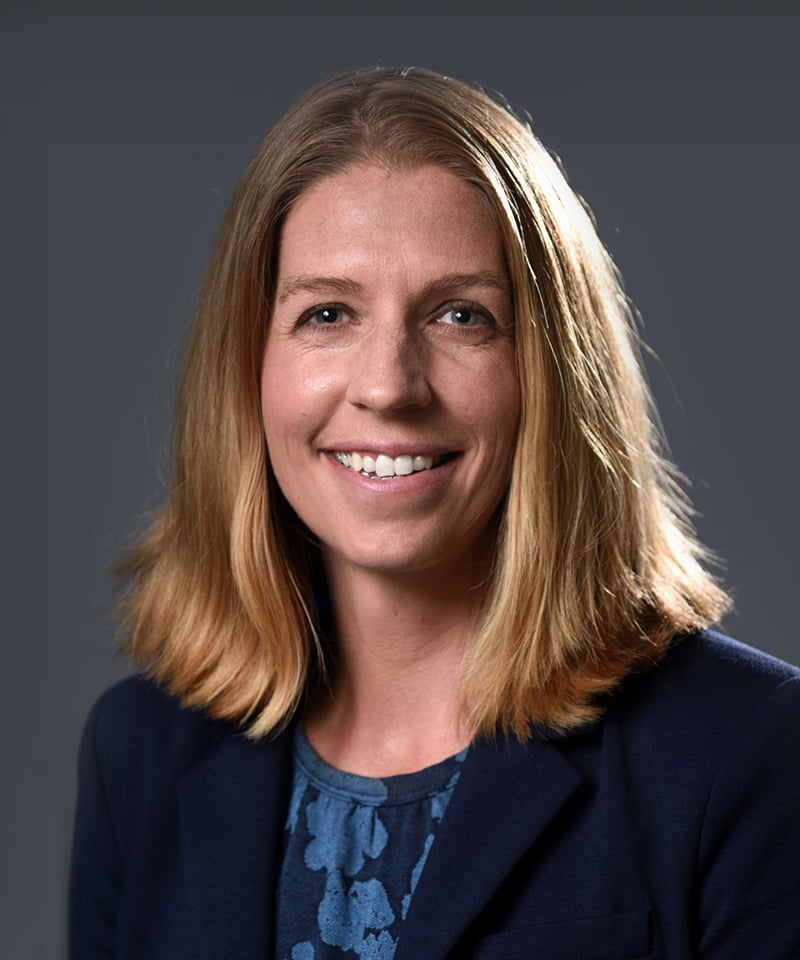
Brenda Tyrrell spent the first 20+ years of her working life as a Certified Nursing Assistant and, later, as a Registered Nurse. During her nursing tenure, her area of expertise was cardiology and gerontology. When Brenda returned to school at the age of 43, she started a journey that ended with a Literature PhD and a Women, Gender, & Sexuality Certificate from Miami University in Oxford, OH. She worked briefly at Iowa State University before coming into her current role as the Mental Health & Wellness Education Coordinator at YSS in Ames, IA. She has multiple publications and presentations from her PhD experiences and hopes to eventually grow this current experience into her own Youth Mental Health & Wellness Curriculum that includes building resilience, self-care, managing stress, recognizing factors that influence mental health that are out of our control (Social Determinates of Health) and those that are in our control, as well as a built-in suicide prevention program. She is also an avid birder and is often (lovingly) teased about being “easily distracted by birds”!

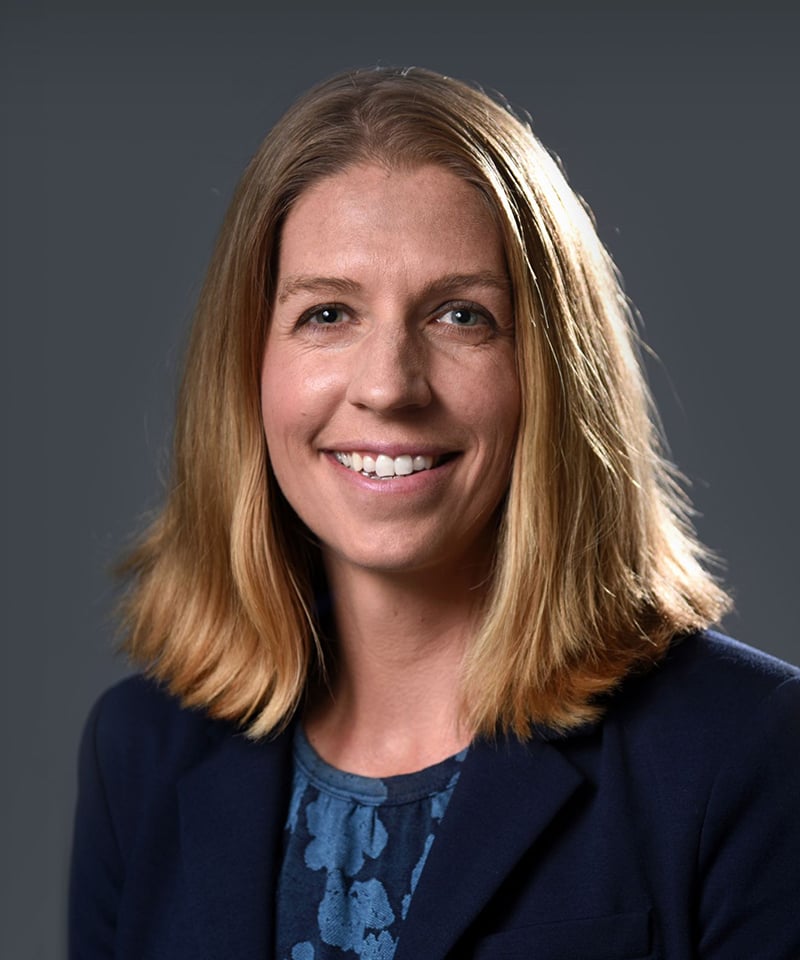
Katy Schroeder is an associate professor and coordinator of the clinical mental health counseling master’s program in the Department of Counselor Education at the University of Iowa. She is a National Certified Counselor (NCC) and holds certifications from PATH International as an Equine Specialist in Mental Health and Learning and Therapeutic Riding Instructor. She also serves as a co-director of the Human-Animal Interactions for Wellbeing Collaborative, a University of Iowa Obermann Center Working Group on the Human-Animal Bond. Dr. Schroeder’s research, teaching, and clinical interests focus on the intersection of human–animal interactions and mental health. She has published and presented on the integration of therapy horse interactions in counseling and psychotherapy, as well as on a range of specialized topics related to the human–animal bond.

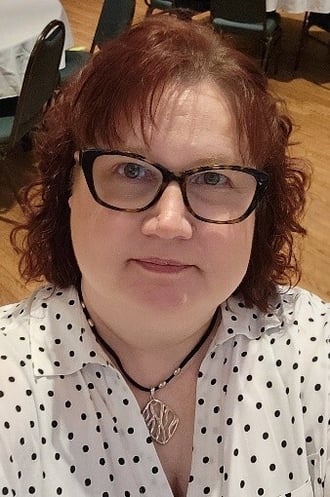
Dr. Shea Jorgensen is a community psychiatrist and serves as Chief Medical Officer at Prairie Ridge. She is board-certified in both psychiatry and addiction medicine and provides outpatient services, including for patients in the newly opened Opioid Treatment Program. Dr. Jorgensen also directs the Rural and Public Psychiatry Training Track at the University of Iowa, where she serves as adjunct faculty and helps train future psychiatrists in community-based and rural care.
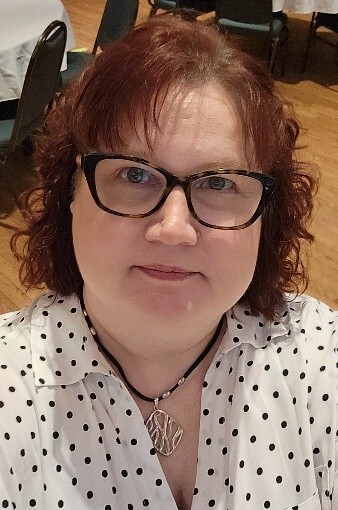
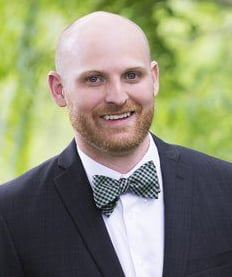
He’s someone who never thought he would be an at-risk youth – as most don’t ever think they will be. What started as a picture-perfect journey with two happily married parents in an upper-middle-class household made a sudden 180-degree turn.
After the trauma of losing his father at the age of 14, he started to show behaviors of anger and began acting out. Add on the trauma of watching his best friend die in a car accident at 17, which meant he experienced two traumatic events before his brain was fully developed. He quickly spiraled down a path that no one wants to go down with depression, rage, grief, alcohol abuse, and even suicidal thoughts, all at the age of 17, officially making him an at-risk youth after not effectively dealing with his grief.
During a flight to London with his mother for a senior year field trip, they shared various stories about his father. Those anecdotes showed him that his mother was also grieving and that he was not alone in a difficult time. After this trip, John was able to recognize the power of hearing others' stories and started to use his own to help others deal with situations similar to his.
This led to a career in helping others. He has been assisting the at-risk population in finding housing, careers, and community experiences since 2004. When he is not at his inspirational speaking engagements, he is the Executive Director of 43 North Iowa https://43northiowa.org/ where he helps people with physical, intellectual, mental, and emotional disabilities.

Christine L. Riggert is a Certified Prevention Specialist and is currently the Prevention Supervisor at Prairie Ridge Integrated Behavioral Healthcare. Combined, she has over 13 years of experience in treatment services and her current prevention work. She enjoys being able to interact with an audience when presenting information and encourages discussion over lecture. Her goal in every presentation is that everyone learns something new.

Frank came through the California system as a child adopted into a family challenged with mental health and substance abuse issues. Raised in the East Bay area of Northern California, Frank attended nine different schools in his first nine years. Raised in a challenging home in a challenging environment both geographically and historically, Frank has a unique perspective that translates for many of our most traumatized communities, families and children. Frank negotiated his way into the military and his first professional training was as a special warfare diver attached to the Marine Mammal program of the United States Navy where he spent eight years honing behavior modification skills, stress management and understanding the dynamics of nonverbal communication. Later, as a stay at home dad for two kids and a student of psychology he became aware of and struggled with development, his own trauma exposure, and behavioral progressions and sequencing. This led to a journey of self-exploration and an academic focus on psychological trauma.
Frank has worked with the International Trauma Center since 1999 and deployed to Ground Zero to manage a team of clinicians working with a federal agency in “the dig” to stabilize them ongoing as they did their difficult work. Frank also worked extensively throughout Louisiana and Mississippi in the aftermath of Katrina. Frank has worked abroad in Israel, Gaza and the West Bank, Nepal, Jordan, Haiti and several other countries for agencies like Save the Children, USAID, the World Bank and the International Center for the Protection of Victims of Torture to develop interventions and train clinicians working with children.
As Director of the Midwest Trauma Services Network and senior vice president of programming for the International Trauma Center he has spent the last several years introducing and training selected trauma informed evidence based practices as well as designing and implementing innovations specific to people from at-risk environments through the OJJDP. Frank currently consults, trains and speaks in several states for trauma in schools, foster and adoptive parents, community change through trauma informed care and provides direct psychoeducation and coaching to complexly traumatized children and families. Frank has a BS in disaster psychology with an emphasis on mental health, an MS in Public Health with a focus on child mental health and an MS in clinical counseling with trauma theory as the primary theoretical framework. Frank is the proud father of two gifted and resilient children who contribute in significant ways in their chosen professions. His mission is to create a world that understands the impact of trauma and abuse on children, families, communities and culture by teaching, challenging and learning everywhere he goes.

June Klein-Bacon, BSW, CBIST
Brain Injury Alliance of Iowa
The Intersection of Brain Injury & Behavioral Health
Description: This session will provide attendees the opportunity to learn about brain injury and intersections with behavioral health. This session will support service planning through the lens of brain injury.
Learning Objectives:
- Attendees will process the incidence and prevalence rates of brain injury in the general population and behavioral health.
- Attendees will account for brain injury mechanism and symptoms and long-term outcomes of brain injury.
- Attendees will practice concepts of symptom management following brain injury to support service and treatment planning.
-1.jpg)
John Swegle, PharmD, BCPS, BCACP
College of Pharmacy, University of Iowa Mercy Family Medicine Residency
Medications Used In Behavioral Health
Description: This program will provide an overview of medications used to treat common mental health conditions. Classes of medications will be reviewed including appropriate use and combination therapy as appropriate.
Learning Objectives:
- Identify the differences among the classes of medications used to treat mental health conditions
- Describe how medications are started and altered based on patient response
- Describe the rationale for combination therapy
- Discuss options for patients who are intolerant or fail to respond to medications
Angela Sailor
Licensed Alcohol & Drug Counselor
"Growing up in a dysfunctional family was challenging. I searched for love and acceptance in all the wrong places. I was a single mom of three wonderful children. I experimented with drugs and became addicted in time. My criminal thinking and irrational thoughts steered my choices, which ended up in severe consequences. I landed in federal prison, thinking my life was over. Little did I know, God had a bigger plan for me."
Fe Avis
INSERT TITLE/PRESENTER

The SPEAK Workshop (Supporting Parents of Estranged Adult Kids) will help equip participants who are serving clients that are dealing with the issue of parental estrangement. This includes (a) gaining a working knowledge of estrangement, what it is, some of the factors contributing to it, and how parents experience this traumatic aspect of their older adult years, (b) learning a model for helping parents disclose the estrangement, explore its impacts, assess whether to work toward reconciliation or recovery, cultivate hope, and discover resources that can be helpful and (c) offering some practical tools for doing the work of recovery.
Co-Sponsors
Prairie Ridge logo.
Mercy-One-Stacked_color