

2026 EMS Symposium
Registration Deadline: September 11, 2026
Continuing Education credit awarded.
Continue to check back for more details!
REGISTER FOR THE SYMPOSIUM
Cost: $60
Registration deadline: September 11, 2026
-
7:30 - 7:55 a.m.
Registration & Refreshments
-
7:55- 8:00 a.m.
Welcome & Housekeeping Items
-
8:00 - 9:30 a.m.
OB/GYN Emergencies
Dr. Garth Summers, DO, FACOG
-
9:45 - 10:45 a.m.
Pediatric Airway Management & Respiratory Emergencies
Eric Adair, DO, FAAP
-
11 a.m. - 12 p.m.
Medically Complex Child
Eric Adair, DO, FAAP
-
12:45- 1:45 p.m.
"The call that changed you" - What we need to know about Critical Incident Stress Management (CISM)
Alexander Catevenis, BA, NRP -
1:45- 2:45 p.m.
Surviving Sepsis
Adam Herrick, DO -
2:45- 3:00 p.m.
Closing

New This Year!
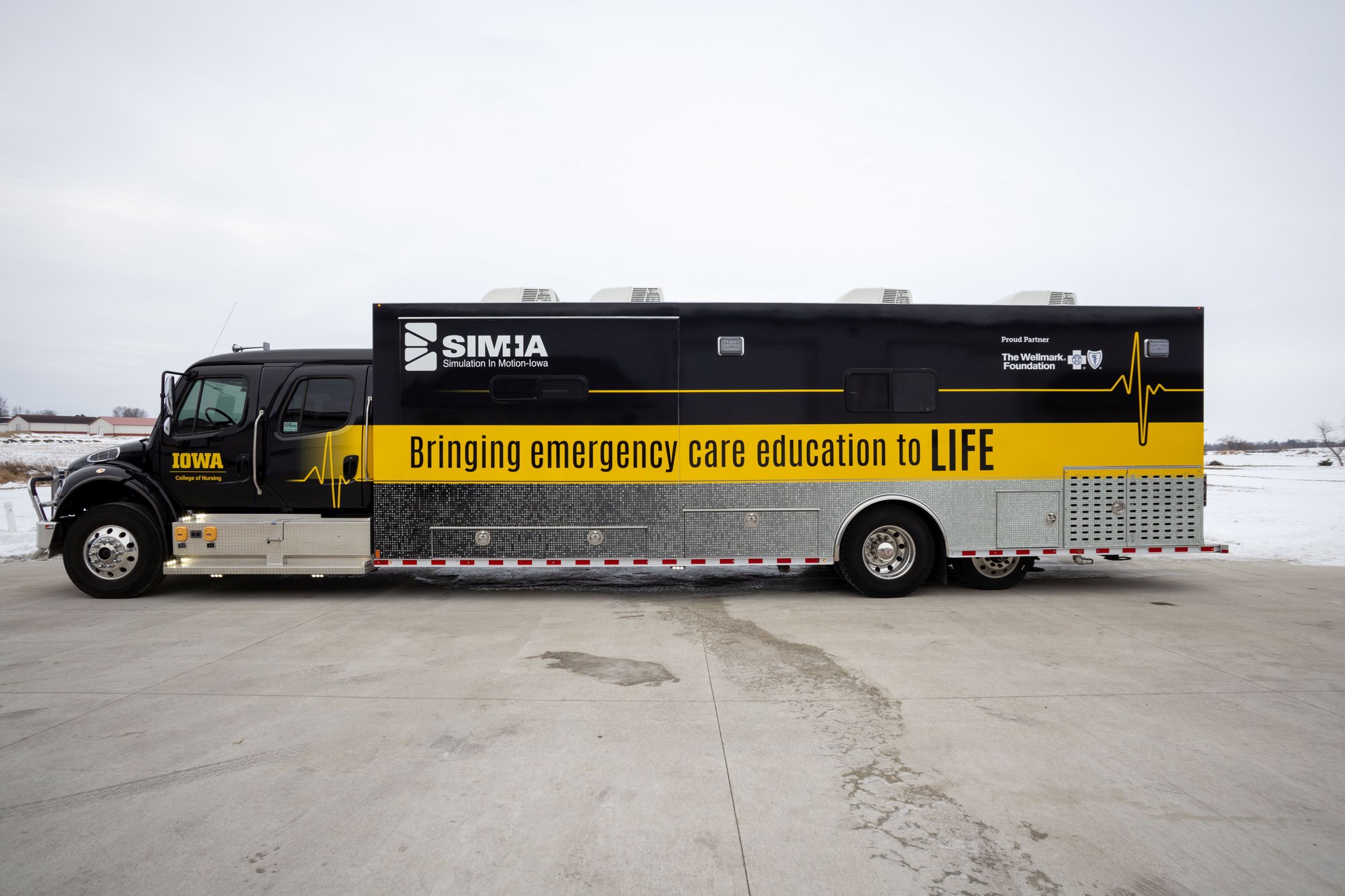
Simulation in Motion-Iowa (SIM-IA) will be offering a unique simulation experience! Attendees will have the opportunity to sign up for a one-hour simulation in place of one of the scheduled programs. See topics below.Continuing Education Credit
CME: This activity has been planned and implemented in accordance with the accreditation requirements and policies of the Iowa Medical Society (IMS) through the joint providership of MercyOne North Iowa Medical Center and North Iowa Area Community College. MercyOne North Iowa Medical Center is accredited by IMS to provide continuing medical education for physicians.
MercyOne North Iowa Medical Center designates this live activity for a maximum of 6 AMA PRA Category 1 Credit(s)TM. Physicians should claim only credit commensurate with the extent of their participation in the activity.
6 CEHs for EMS personnel. North Iowa Area Community College (NIACC) is approved by the Iowa Health and Human Services Bureau of Emergency and Trauma Services as a sponsor of continuing education programs for Emergency Medical Service (EMS) providers.
6 Contact hours for all other healthcare professionals
It is the licensee’s responsibility to determine if the continuing education program they attend meets the requirements of their professional licensure board. As a courtesy, NIACC lists contact hours for programs anticipated to qualify for professional continuing education. Contact hours are based on a 60-minute education hour.
Presenter: Garth K. Summers, DO, FACOG
Summary: Analyze and summarize OB/GYN emergencies facing first responders.
Objectives:
-
Summarize and analyze hypertensive disorders of pregnancy
-
Recognize management of preeclampsia with severe features
-
Identify hyperemesis gravidarum
-
Discuss perimortem cesarean section
Presenter: Erik Adair, DO, FAAP
Summary: During this interactive program we will discuss the pediatric airway and advanced airway management strategies including indications for intubation, predictive factors for difficult airway, and failed airway management strategies from the EMS perspective.
Objectives:
- Identify key differences in the pediatric airway
- List indications for pediatric intubation
- Identify predictors of a difficult airway
- Define failed airway management strategies
Presenter: Erik Adair, DO, FAAP
Summary: In this program, we will identify the medically complex child and discuss strategies for successful interactions. We will discuss several common diagnoses associated with the medically complex child including care considerations. We will also discuss the technology dependent medically complex child.
Objectives:
- Identify the medically complex child
- Develop strategies for successful management of the medically complex child
- Identify risks of the technology dependent child
Presenter: Alexander Catevenis, BA, NRP,
Summary: This program provides an overview of Critical Incident Stress Management (CISM) through the lens of Southeastern Minnesota EMS and the personal experiences of a military veteran and first responder. It explores the impact of critical incident stress on emergency responders, emphasizes the importance of education and peer support before and after traumatic events, and explains how CISM interventions promote resilience and recovery. The presentation also highlights the Southeastern Minnesota Regional CISM Team's role in providing confidential, peer-driven support, education, and resources to EMS, fire, law enforcement, dispatch, and hospital personnel throughout the region.
Objectives:
- Identify the definitions of “critical incident” and the differences they mean to other providers
- Prepare for and apply mitigation techniques to manage critical incident stress among colleagues
- Recognize and share regional and local Critical Incident Stress Management resources
Presenter: Adam Herrick, DO
Summary: Sepsis is a life-threatening condition resulting from a dysregulated immune response to infection that can rapidly progress to organ dysfunction, septic shock, and death if not recognized and treated promptly. This educational program provides healthcare professionals with an overview of the history and evolution of the Surviving Sepsis Campaign, current definitions of sepsis, and the underlying pathophysiologic processes that contribute to circulatory failure and tissue hypoperfusion.
Current evidence-based management strategies are discussed with emphasis on the Centers for Medicare & Medicaid Services (CMS) quality measures and the Surviving Sepsis Campaign treatment bundles. Key topics include early recognition, timely diagnostic evaluation, appropriate fluid resuscitation and prompt antibiotic administration. The session concludes with a discussion of the importance of standardized sepsis protocols and their role in improving patient outcomes, reducing mortality, and enhancing compliance with national quality initiatives.
Objectives:
- Describe the evolution of the Surviving Sepsis Campaign and how current sepsis guidelines have changed over time
- Define sepsis, severe sepsis, and septic shock using current clinical definitions
- Explain the pathophysiology of sepsis
- Identify the Systemic Inflammatory Response Syndrome (SIRS) criteria and recognize their role in early sepsis screening
- Recognize common signs of end-organ dysfunction and indicators of worsening sepsis
- Apply the current CMS guidelines and Surviving Sepsis Campaign 3-hour and 6-hour treatment bundles to the early management of patients with suspected sepsis
- Identify the key diagnostic and therapeutic interventions for sepsis
- Discuss the importance of standardized sepsis protocols in reducing mortality and improving CMS quality performance measures
SIMIA Topics
Summary: This high-fidelity simulation places learners in the care of an adult patient trapped beneath a collapsed structure for an extended period of time. Following extrication, what initially presents as a complex trauma case evolves into a high-risk medical emergency driven by crush syndrome and metabolic derangements. Participants must perform a systematic trauma assessment, manage respiratory compromise and shock, and anticipate life-threatening complications such as hyperkalemia and rhabdomyolysis.
Summary: This high-fidelity simulation places learners in the care of an adult patient trapped beneath a collapsed structure for an extended period of time. Following extrication, what initially presents as a complex trauma case evolves into a high-risk medical emergency driven by crush syndrome and metabolic derangements. Participants must perform a systematic trauma assessment, manage respiratory compromise and shock, and anticipate life-threatening complications such as hyperkalemia and rhabdomyolysis.
Description: This high-fidelity simulation places learners in the care of a 6-year old child exposed to a live electrical wire following a severe storm. What initially appears to be a minor injury rapidly evolves into a high-risk, multisystem emergency. Participants must perform a structured primary assessment, recognize the unique dangers of electrical injuries, manage pediatric pain and anxiety, and respond to evolving cardiac dysrhythmias.
Objectives:
-
Apply a structured ABCDE approach to identify and manage life-threatening injuries in both adult and pediatric patients.
-
Recognize and manage tension pneumothorax and initiate interventions to stabilize respiratory function.
-
Identify evolving shock and respond with appropriate fluid resuscitation and monitoring.
-
Recognize signs of crush syndrome/hyperkalemia and initiate treatment in accordance with protocols.
-
Prioritize interventions in a dynamic trauma scenario, including balancing respiratory compromise, shock, and metabolic derangements.
-
Demonstrate effective teamwork through leadership, role clarity, and closed loop communication in a high-stress trauma environment.
-
Recognize high-risk features of electrical injuries, including occult burns, dysrhythmias, and multisystem involvement.
-
Initiate early burn management appropriate for electrical injuries, including exposure, thermal protection, and wound coverage.
-
Identify and manage cardiac complications related to electrical injury, including ectopy and unstable tachyarrhythmias using PALS-based care.
-
Demonstrate appropriate pain management and vascular access strategies in a frightened pediatric patient.
-
Anticipate and communicate secondary complications of electrical burns (e.g., rhabdomyolysis, renal injury, compartment syndrome) and the need for specialty consultation or transfer.
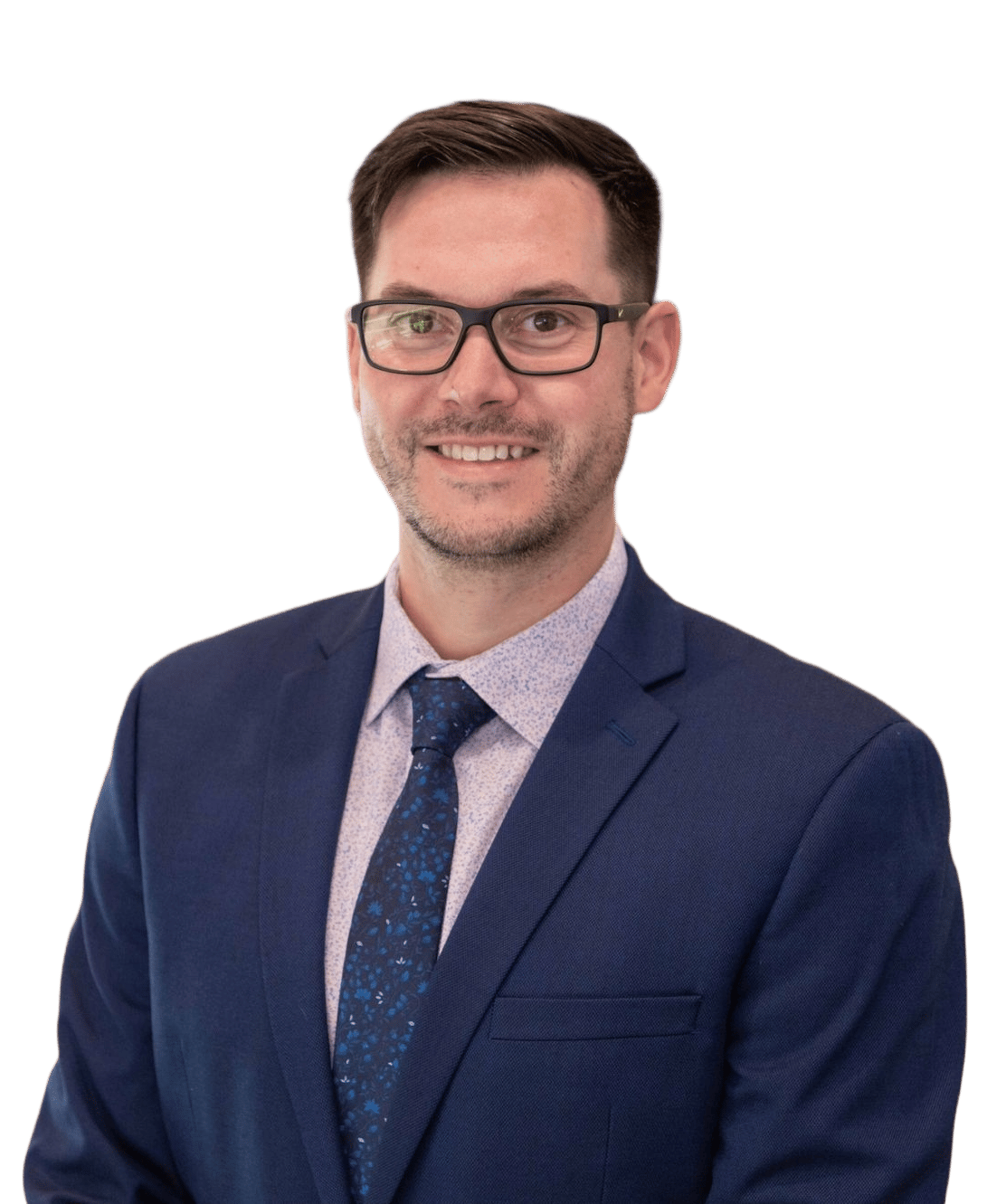
Dr. Garth Summers is a board-certified OB/GYN practicing in rural Iowa alongside his wife, who is also a board-certified OB/GYN. Together, they provide full-spectrum obstetric and gynecologic care, including urogynecology, infertility evaluation and treatment, and co-management of high-risk obstetric patients. They also work closely with midwives and family medicine providers as part of a collaborative care model.
Dr. Summers serves as an adjunct faculty with the University of Iowa, where he enjoys teaching OB/GYN residents and medical students. Education has always been a passion of his. During medical school, he worked as an anatomy teaching assistant and spent an additional year teaching applied anatomy before completing his residency at the University of Nebraska Medical Center. Dr. Summers is an Oral Boards coach for OB/GYN candidates across the country. He is a lifelong learner who values practical, evidence-based medicine and thoughtful patient-centered care.
%20copy(1).png?width=1492&height=2000&name=Picture_Erik_Adair_DO_FAAP_(002)%20copy(1).png "Picture_Erik_Adair_DO_FAAP_(002) copy(1)")
Dr. Erik Adair is a Pediatric Emergency Medicine attending physician from Blank Children’s Hospital in Des Moines. He also serves as the pediatric emergency department’s Education Director and Pediatric Medical Director for Des Moines Fire Department. He completed Pediatrics residency at Arnold Palmer Children’s Hospital in Orlando, Florida followed by a Fellowship in Pediatric Emergency Medicine at Le Bonheur Children’s Hospital in Memphis, Tennessee. Dr. Adair comes from an EMS background, where he first started as a volunteer firefighter in 1997.
Dr. Adair has a passion for pediatric emergency medicine, especially providing prehospital education to our local EMS agencies. He serves on several state committees including the Trauma Services Advisory Council, Emergency Medical Services for Children Advisory Council, and the HHS Multi-disciplinary Trauma Committee. His research interests include asthma, end-tidal capnography, sepsis, and emergency medical services.
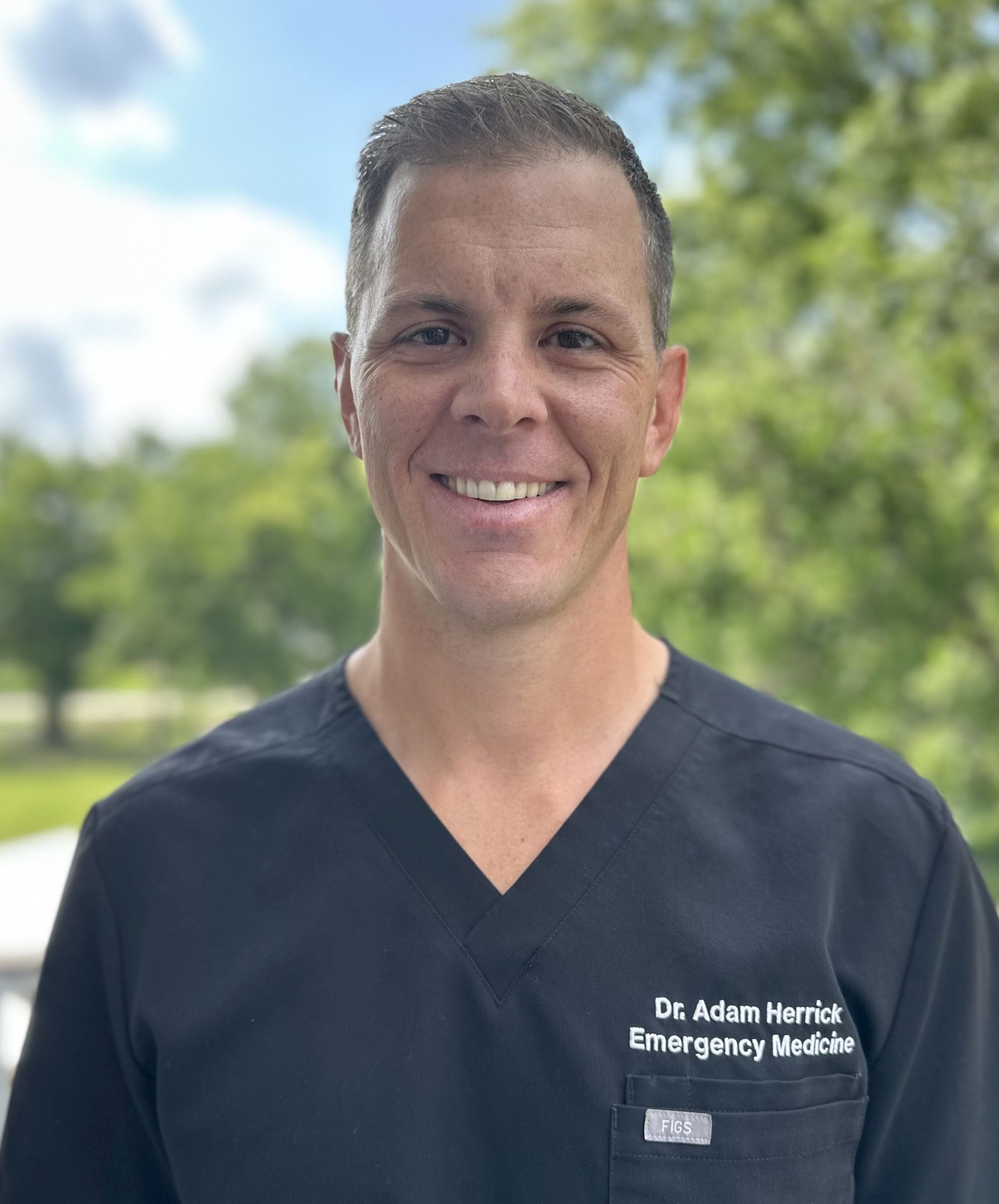
Dr. Herrick grew up in Charles City, Iowa, and earned a bachelor’s degree in biology from Waldorf College. Following graduation, he spent two years working in a research laboratory at Iowa State University before attending Kansas City University of Medicine and Biosciences, where he earned his medical degree.
After completing an Emergency Medicine residency in Joplin, Missouri, in 2021, Dr. Herrick returned to northern Iowa to practice emergency medicine closer to family. Since then, he has assumed several leadership roles, serving as Medical Director for AirMed 3 beginning in 2023 and more recently expanding those responsibilities to include AirMed 4. In February 2026, Dr. Herrick was appointed Medical Director of the MercyOne North Iowa Emergency Department.
Dr. Herrick is passionate about advancing emergency and prehospital medicine through clinical leadership, education, and collaboration, and is honored to share his experience as part of this EMS symposium.
.png?width=582&height=641&name=CATEVENIS%20pic(1).png "CATEVENIS pic(1)")
Alexander Catevenis, BA, NRP, is a nationally registered paramedic, educator, and healthcare leader based in Rochester, Minnesota. He currently serves as Executive Director for Southeastern Minnesota Emergency Medical Services Regional Program, Program Director for Emergency Medical Training Center at Rochester Community and Technical College, Assistant Professor of Emergency Medicine at the Mayo Clinic College of Medicine and Science, and Community Paramedic with Mayo Clinic Ambulance Service.
With a background that spans military service as a U.S. Army combat medic to advanced roles in clinical care, education, and program leadership, Alexander brings a comprehensive perspective to emergency medical services. He is actively involved in curriculum development, instructor training, and advancing EMS education & providers across the Southeastern region of Minnesota, while also having served on the Minnesota Emergency Medical Services Regulatory Board. His professional focus centers on improving patient outcomes through high-quality education, community-based care, and the continued evolution of the EMS profession.
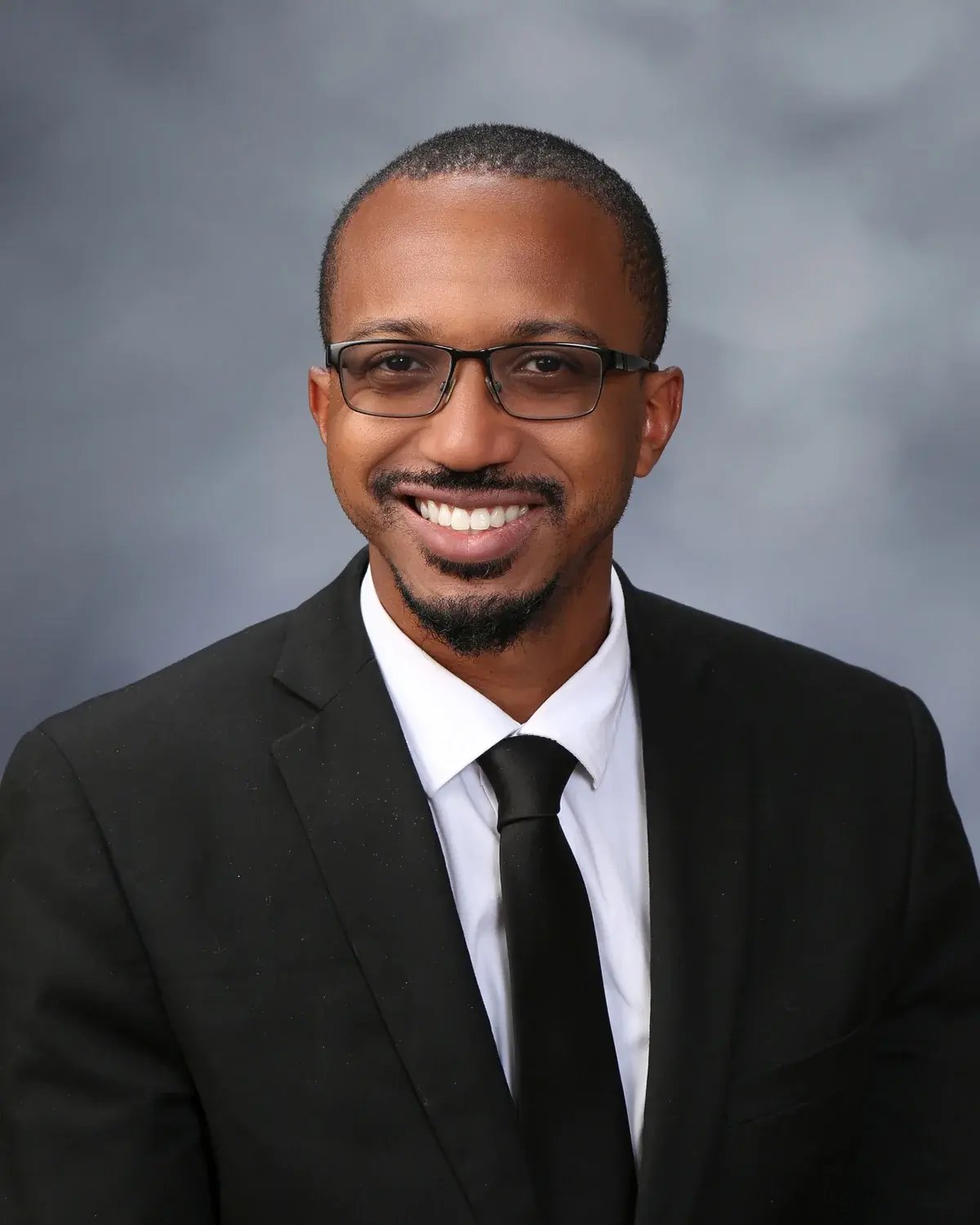
Dr. Aidan Charles is a board-certified general surgeon and surgical intensivist with advanced training in critical care. He completed his general surgery residency at the UCF COM/HCA Ocala Regional program and his fellowship in Trauma/Critical Care at the University of Florida.
Dr. Charles currently practices as a trauma and acute care surgeon, providing comprehensive surgical management for critically ill and injured patients at MercyOne North Iowa in Mason City. His clinical work is complemented by a strong commitment to medical education, having mentored residents and medical students throughout his training and early career.
He has held multiple leadership roles, including service on Morbidity and Mortality and Residency Improvement committees, and he has contributed to the development of robotic surgery training programs in residency. His research background focuses on trauma outcomes, with publications in The American Surgeon, the Journal of Surgical Research, and the American Journal of Clinical Pathology. He has presented his work at national and international surgical meetings and is an active member of the American College of Surgeons.
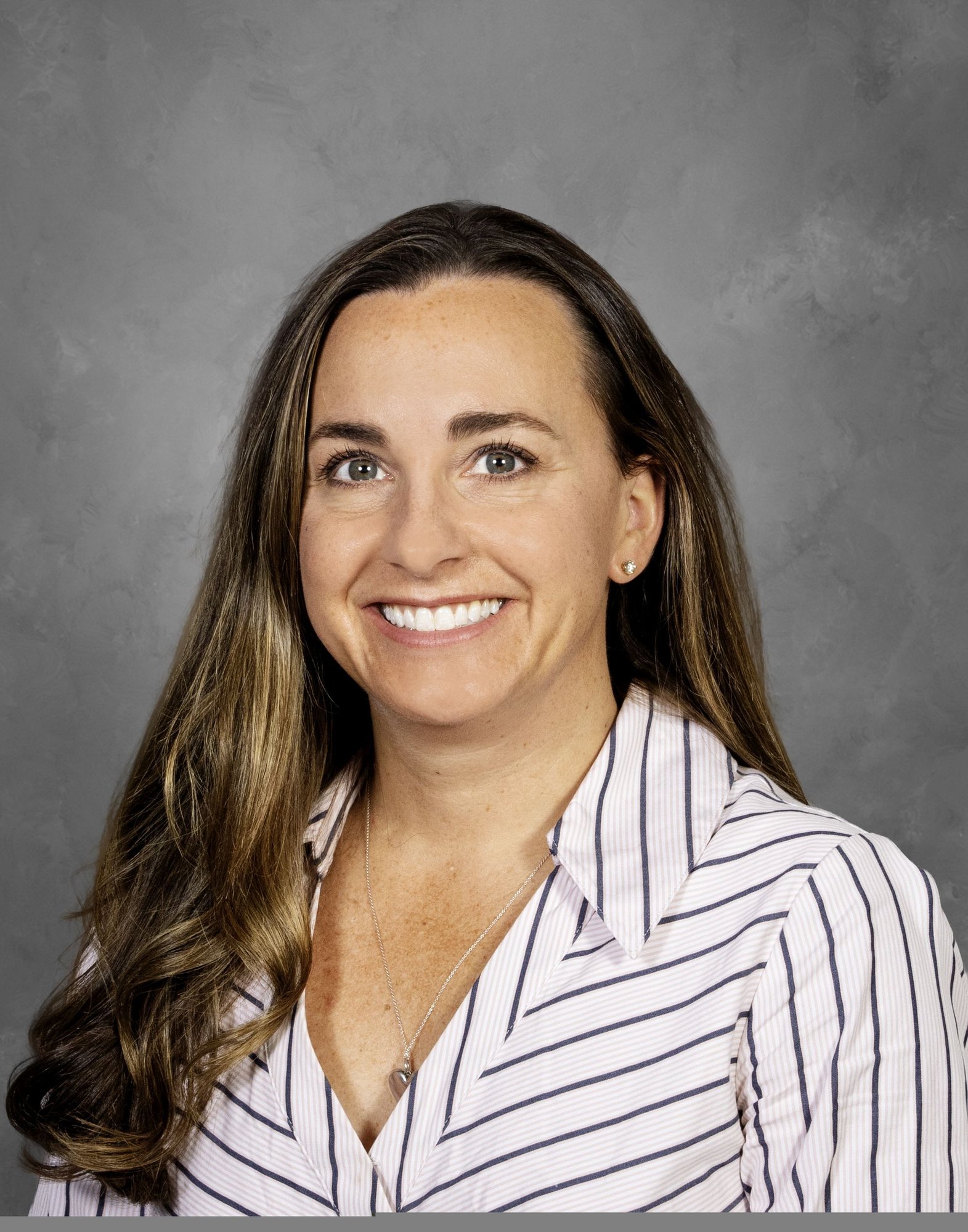
Dr. VanGilder is a board-certified general surgeon, with extensive experience in emergency and elective procedures, minimally invasive surgery, and comprehensive post-operative care. She grew up in Des Moines, Iowa and completed her undergraduate degree at University of Iowa. She then went to Midwestern University for medical school and completed her general surgery training in Phoenix. She moved back to Iowa in 2017 and practices general surgery while serving as Chief Medical Officer and Chief of Surgery at Floyd County Medical Center in Charles City, IA.
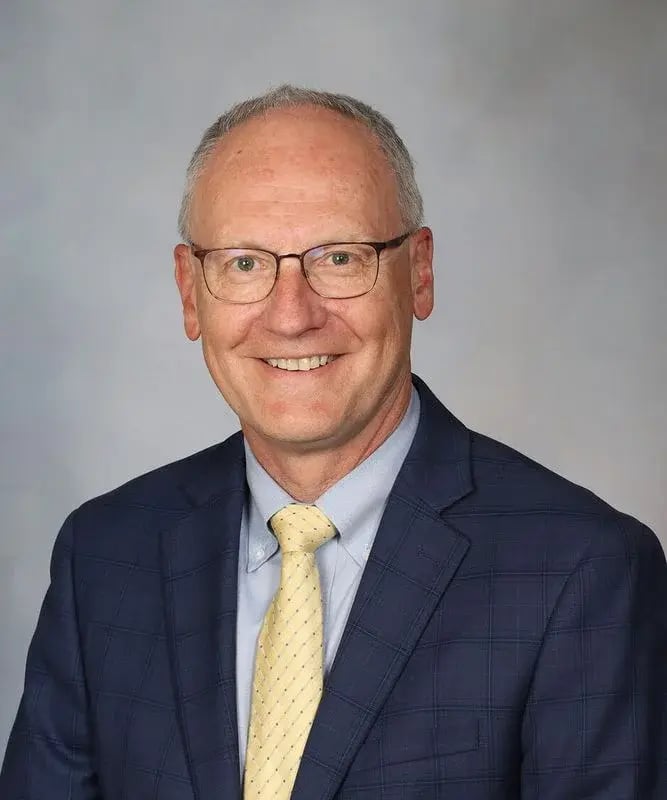
Dr. Mark Mannenbach has been a pediatric emergency medicine clinician and educator for his entire career. He practiced pediatric emergency medicine in academic referral hospitals in the upper Midwest of the US during his 35+ year career. He retired from clinical practice in 2022 and has continued to provide educational experiences for pediatric and emergency medicine residents, ED nursing staff, and advanced practice providers. His special interests include pediatric procedures, pediatric patient safety, recognition of child physical and sexual abuse, and pediatric resuscitation. He utilizes multiple educational formats with a special interest in in situ simulation as a tool to prepare others to provide state-of-the-art care to acutely ill and injured children. He currently serves as the Salt & Light Partners Lead Chaplain for the paramedics, EMT’s, and dispatchers of the Mayo Clinic Ambulance Service in Rochester, MN. He and his wife have 4 grown children, 4 “adopted in-laws”, and six grandchildren.
(1).jpg?width=1494&height=1649&name=Jacob_Miller_Headshot_(003)(1).jpg "Jacob_Miller_Headshot_(003)(1)")
Jacob Miller is a highly accomplished Nurse Practitioner, Clinical Nurse Specialist, and Paramedic with over 2 decades experience in EMS, critical care, and critical care transport. Jacob received his Master’s degree in acute care from the University of Maryland, post-master’s certificate in advanced transport nursing from Case Western Reserve University, and his Doctorate in Nursing Practice from the University of Cincinnati.
Jacob sits on the Ohio EMS Board’s Medical Oversight and Critical Care subcommittees, is an at-large director for the Air & Surface Transport Nurses Association, co-chairs the EMS Special Interest Group with the American Academy of Emergency Nurse Practitioners, is a member of the Emergency Nursing Association’s EMS Advisory Council, and a member of the National Association of EMS Physicians’ Committee on Prehospital Advanced Practice Providers. His impact on the field has earned him significant recognition, including being named one of ENA Connection’s “20 Under 40”, an inaugural “40 Under 40” honoree by the Association of Air Medical Services, and induction as both a Fellow of the Academy of Emergency Nursing and a Fellow of the Academy of Emergency Medical Services.
Jacob currently practices as a critical care nurse practitioner, flight nurse, and paramedic in the greater Cincinnati, Ohio region.
-1.jpg?width=1600&height=2000&name=Bill_Hampton_Headshot_(cropped)-1.jpg "Bill_Hampton_Headshot_(cropped)-1")
Dr. Hampton is a full-time emergency physician and has been board-certified in emergency medicine since 2007. He is also Clinical Assistant Professor in Emergency Medicine and Clinical Assistant Professor for the Department of Osteopathic Manipulative Medicine for the Chicago College of Osteopathic Medicine, Midwestern University. In addition to his busy lecture schedule, he completes around 600 hours of continuing medical education (CME) annually himself.
Dr. Hampton lectures nationally and internationally on a variety of emergency medicine topics for diverse audiences including the Emergency Nurses’ Association Annual & Leadership Conferences, the Canadian National Emergency Nurse's Association Annual Conference, the Society for Emergency Medicine Physician Assistant’s Annual Conference, American College of Emergency Physician’s Scientific Assembly, the University of Calgary Urgent Care Conference, the American College of Osteopathic Emergency Physician’s Spring Seminar, and the Society of Trauma Nurses Annual Trauma Conference. He has lectured in Arizona, California, Florida, Idaho, Illinois, Indiana, Louisiana, Michigan, Minnesota, Nevada, New Jersey, North Carolina, Ohio, Oregon, Pennsylvania, South Carolina, Tennessee, Texas, Washington, and Wisconsin. Dr. Hampton's lectures have also been featured online for the Society of Trauma Nurses, Contemporary Forums, ACOEP’s Digital Classroom, and QuantiaMD, an online physician education site.
.jpg?width=345&height=432&name=Alex_Smith_headshot_2022(1).jpg "Alex_Smith_headshot_2022(1)")
Dr. Alex Smith is the Medical Director of LifeServe Blood Center in Des Moines, IA. Last year LifeServe registered over 130,000 blood donations and distributed over 164,000 blood products to 175 hospitals in four states. Dr. Smith is originally from St. Louis, MO. He is board certified in Clinical Pathology and Blood Banking & Transfusion Medicine.
_(6).png?width=1666&height=2000&name=Hampton_HFM130205_(3)_(6).png "Hampton_HFM130205_(3)_(6)")
Dr. Hampton is a full-time emergency physician and has been board-certified in emergency medicine since 2007. He is also Clinical Assistant Professor in Emergency Medicine and Clinical Assistant Professor for the Department of Osteopathic Manipulative Medicine for the Chicago College of Osteopathic Medicine, Midwestern University. In addition to his busy lecture schedule, he completes around 600 hours of continuing medical education (CME) annually himself.
Dr. Hampton lectures nationally and internationally on a variety of emergency medicine topics for diverse audiences including the Emergency Nurses’ Association Annual & Leadership Conferences, the Canadian National Emergency Nurse's Association Annual Conference, the Society for Emergency Medicine Physician Assistant’s Annual Conference, American College of Emergency Physician’s Scientific Assembly, the University of Calgary Urgent Care Conference, the American College of Osteopathic Emergency Physician’s Spring Seminar, and the Society of Trauma Nurses Annual Trauma Conference. He has lectured in Arizona, California, Florida, Idaho, Illinois, Indiana, Louisiana, Michigan, Minnesota, Nevada, New Jersey, North Carolina, Ohio, Oregon, Pennsylvania, South Carolina, Tennessee, Texas, Washington, and Wisconsin. Dr. Hampton's lectures have also been featured online for the Society of Trauma Nurses, Contemporary Forums, ACOEP’s Digital Classroom, and QuantiaMD, an online physician education site.
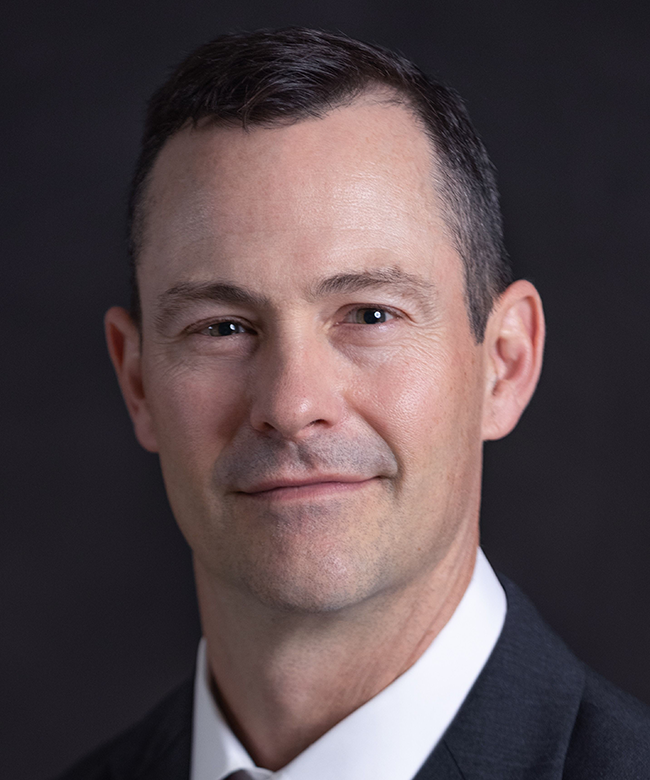
Dr. Thompson began his duties as Deputy State Medical Examiner in November 2016. He first arrived in 2008 and served as Associate State Medical Examiner at the Iowa Office of the State Medical Examiner until his appointment as Deputy State Medical Examiner in 2016. He is an Associate Professor of Pathology with the University of Iowa and an Adjunct Assistant Professor of Forensic Pathology with Des Moines University.
He received a B.S. degree from the University of Iowa in Exercise Science and his M.D. from the University of Iowa School of Medicine. His four-year residency training took place at the University of Minnesota Medical Center and his fellowship in forensic pathology was done at the Hennepin County Medical Examiner's Office. Dr. Thompson is certified by the American Board of Pathology in Forensic Pathology, and Anatomic and Clinical Pathology.
Prior to Iowa, he was Assistant Medical Examiner with the Hennepin County Medical Examiner’s Office in Minneapolis, Minnesota.
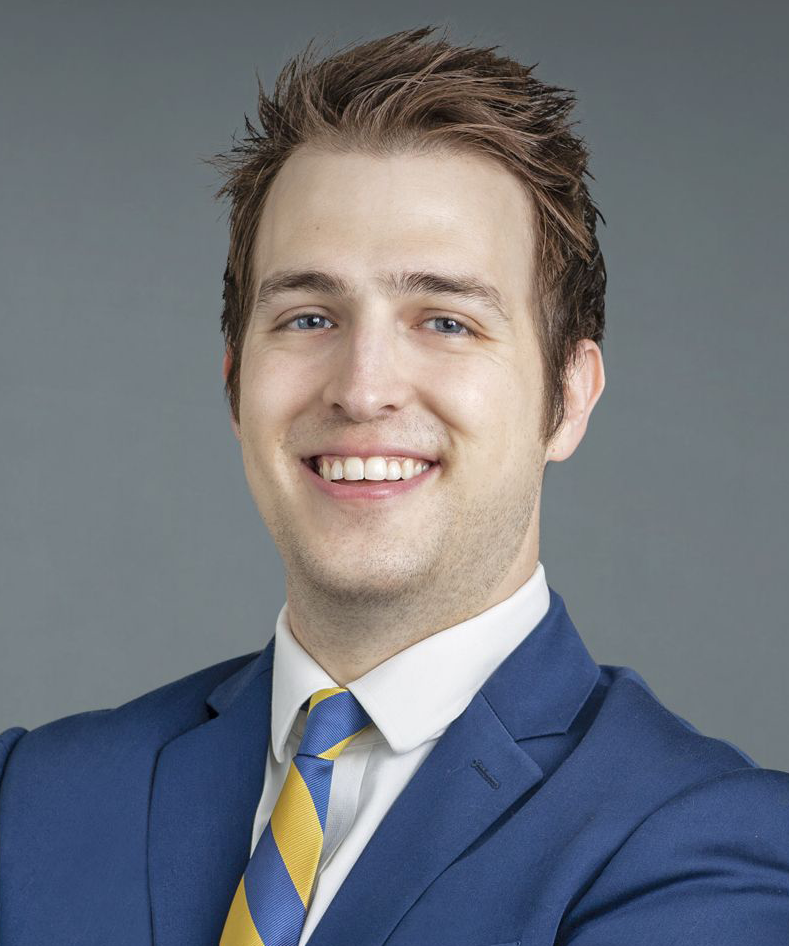
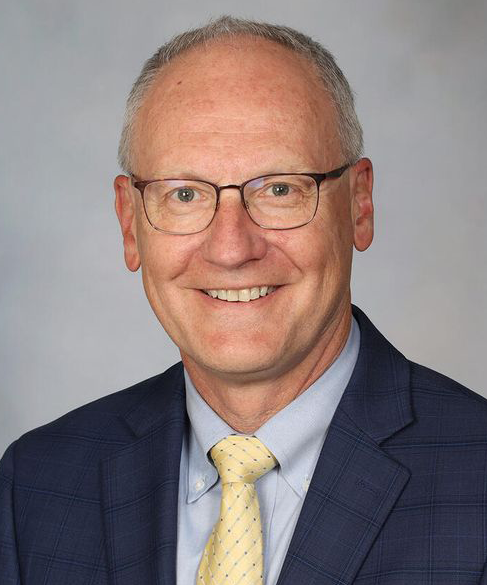
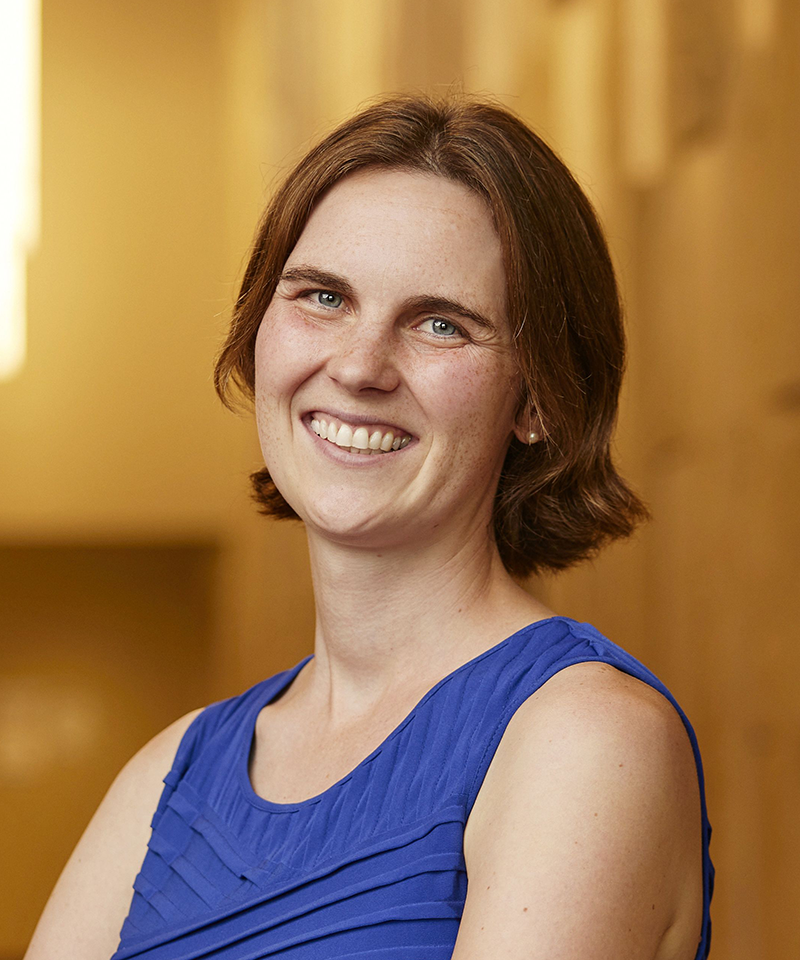
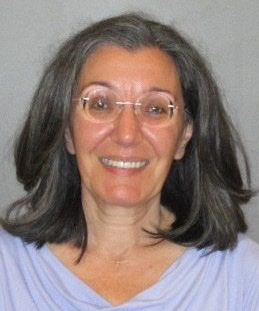
Dr. Morcuende is a psychiatrist who works as a psychotherapist at Prairie Ridge Integrated Behavioral Healthcare in Mason City, Iowa. Her practice focuses on the intergenerational transmission of trauma by helping parents with unresolved childhood trauma establish a secure relationship with their children. In addition, Dr. Morcuende is currently providing agency-wide trauma and attachment training at Prairie Ridge. For fifteen years, Dr. Morcuende provided didactic training and psychotherapy supervision to psychiatrists in training at University of Iowa Hospitals and Clinics in her role as Clinical Associate Professor. Dr. Morcuende lives between Mason City and Iowa City and loves her community in Northern Iowa.




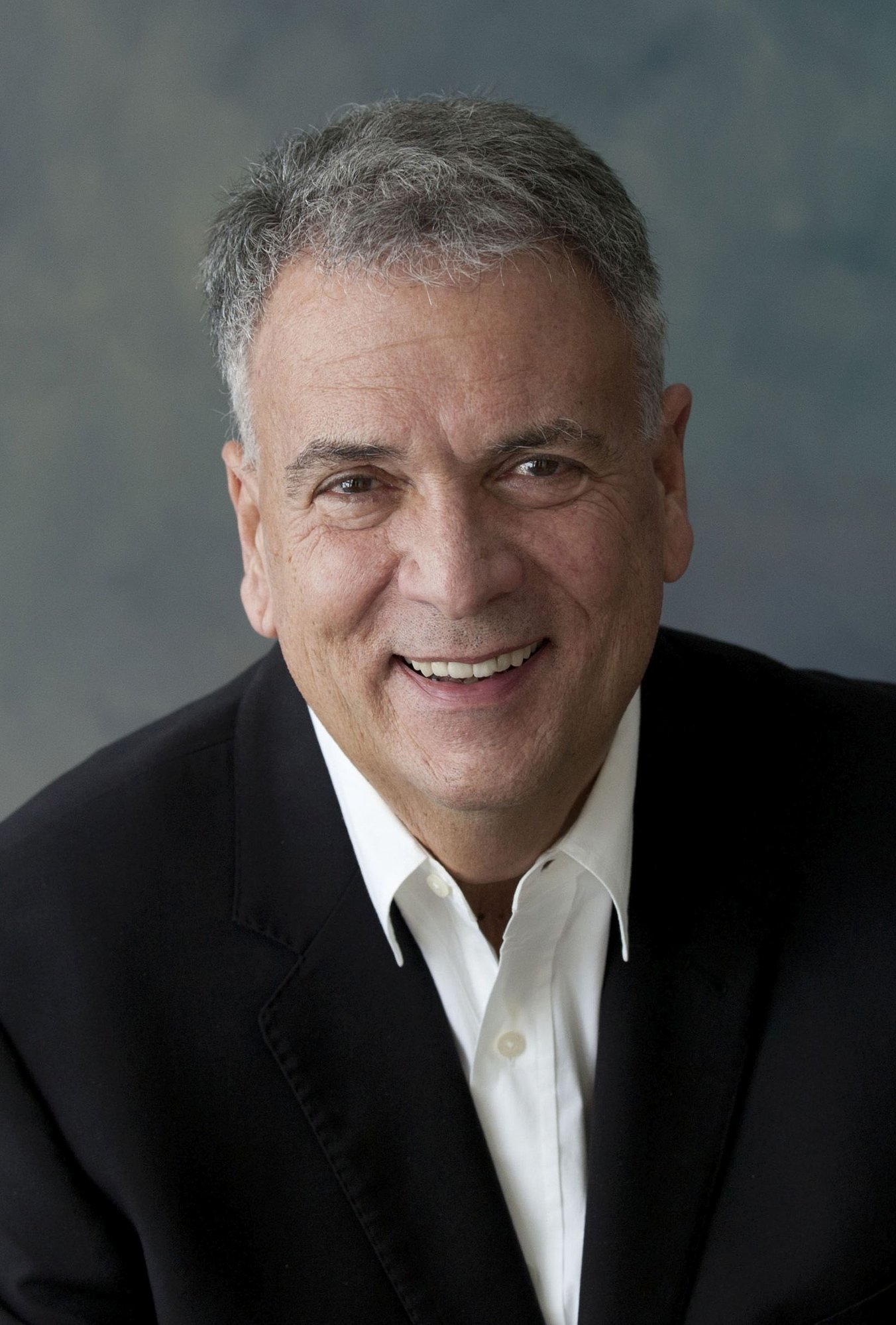
Dr. Dan Waters completed his Cardiac Surgery Fellowship at the Cleveland Clinic Foundation in 1989. He practiced in Des Moines until taking a position at the then St. Joseph Mercy Hospital (now MercyONE North Iowa) in Mason city in 1990. He remained in Mason City until his retirement in April of 2019. He headed up the Cardiac Surgery Department for the majority of his career, becoming Chairperson in 1995. He also directed Perfusion Services and Extracorporeal Life Support and the Cardiac Surgical Recovery Unity (CVRU). He brought several new techniques and technologies to Mercy during his tenure including Mitral Valve Repair surgical procedures, multi-arterial grafting, Ascending Aortic Replacement surgery, endoscopic vein harvesting, and Extra-Corporeal Membrane Oxygenation (ECMO) technology. Dr. Waters was also a staunch supporter of medical education. He chaired the Graduate Medical Education Committee and was Mercy's Director of Medical Education for nearly twenty years. He was integral in helping bring an Internal Medicine Residency to Mason City. He is also an accomplished writer but he will tell you he is just a fair piano player and a terrible golfer.