Leadership Bootcamp for Healthcare & Human Services

REGISTER TODAY
In-person
Cost: $725
Registration deadline: April 14th, 2026

Audience
Healthcare and Human Services professionals.Credits
- 9 Contact hours for healthcare and human services professionals
- It is the licensee’s responsibility to determine if the continuing education program they attend meets the requirements of their professional licensure board. As a courtesy, NIACC lists contact hours for programs anticipated to qualify for professional continuing education for nurses and social workers. Contact hours are based on a 60-minute education hour
Description: Transitioning from a care team member to a leader in healthcare can be challenging, but this program will guide you through this pivotal shift. This session will provide insights and practical strategies to help you step confidently into your new role, focusing on essential leadership skills and effective team management. Learn how to navigate the complexities of leading peers and build a cohesive, motivated healthcare team. Equip yourself with the tools to make a successful transition and lead with impact.
Objectives:
- Recognize key leadership behaviors to help healthcare teams thrive.
- Explore real-world scenarios covering delegation, communication and team culture.
- Develop a personalized leadership plan relevant to healthcare and human services.
Description: Transitioning from a care team member to a leader in healthcare can be challenging, but this program will guide you through this pivotal shift. This session will provide insights and practical strategies to help you step confidently into your new role, focusing on essential leadership skills and effective team management. Learn how to navigate the complexities of leading peers and build a cohesive, motivated healthcare team. Equip yourself with the tools to make a successful transition and lead with impact.
Learning Objectives:- Develop effective communication skills.
- Implement accountability practices within healthcare and human services organizations.
- Build a culture of trust and responsibility.very.

Description: In this session, you’ll explore how creating a secure and supportive healthcare environment can unlock your team’s full potential. Learn the four key principles of creating psychological safety and how they directly contribute to higher performance, better decision-making, and increased innovation. This session offers practical tools to help you build trust, encourage open dialogue, and empower your healthcare team to take risks without fear.
Learning Objectives:- Recognize the importance of psychological safety in healthcare and human services organizations.
- Evaluate the effects of psychological safety on team performance in the clinical setting.
- Implement the four key steps to create a psychologically safe healthcare team.
Description: Working in a team and between teams can be difficult. Miscommunication, lack of trust and unmet expectations can all cause issues. This session will explore ways to build trust within your team as well as between the multidisciplinary healthcare teams you work with. You will learn ways to communicate with different teams (or shifts) in a way that builds trust and accountability.
Learning Objectives:- Define and exhibit clear communication between healthcare teams.
- Recognize the process of establishing team goals and priorities.
- Practice ways to build trust between team members and multidisciplinary healthcare teams.
Description: This session will reveal how asking insightful questions can drive deeper engagement, enhance team performance, and improve patient and client satisfaction. Learn practical techniques to craft questions that inspire and guide your healthcare team, boosting your leadership effectiveness and confidence.
Learning Objectives:- Recognize the power of inquiry.
- List powerful questions to ask about the healthcare environment, yourself and your team.
- Develop a catalog of personalized leadership questions.


Description: This dynamic session delves into the art and science of lasting change, empowering healthcare providers to navigate transitions with resilience and purpose. Explore practical strategies to not only adapt to change but to become champions of transformation, fostering a culture of continuous improvement within your healthcare or human services organization.
Learning Objectives:- Evaluate the impact of lasting change on organizational dynamics.
- Describe what causes resistance to change, and strategies to overcome resistance.
- Develop a plan to examine change and implement it within your healthcare organization.
Description: Would you prefer a leader who knows more or one who cares more? According to research from Harvard, the Carnegie Foundation, and Stanford Research Center, 85% of job success is attributed to well-developed soft skills, while only 15% is due to technical expertise. In this session on Emotional Intelligence for leaders, we’ll delve into the crucial soft skills needed for effective leadership in the clinical setting. You’ll explore techniques to enhance self-awareness and self-management, understand your emotions and areas for growth, and develop strategies for regulating your responses.
Learning Objectives:- Define emotional intelligence for clinical leaders.
- List the five dimensions of emotional intelligence.
- Demonstrate ways to develop and increase emotional intelligence in the healthcare setting.
.jpg?width=2000&height=1333&name=dreamstime_m_101475743(1).jpg "dreamstime_m_101475743(1)")
Description: High conflict can undermine healthcare teams and erode workplace culture, but constructive conflict can spark innovation and enhance multidisciplinary team collaboration. In this session, you’ll discover how to shift from destructive conflict to a constructive approach that fosters creativity and teamwork. Learn the underlying causes of high conflict, strategies to address and reduce it, and how to create a clinical environment where healthy, productive conflict can thrive.
Learning Objectives:- Identify the different types of conflict within the healthcare environment.
- Recognize the impact of high conflict and constructive conflict.
- Demonstrate and apply methods to create healthy conflict within the clinical setting.
Description: This session will inspire participants to learn to be the type of healthcare leaders that people want to follow. We will discuss how leaders can focus on learning with Intent, Impact and Influence. Leadership and learning are both ongoing journeys, especially in the healthcare and human services setting. This program will encourage participants to be deliberate about intertwining their learning and leadership experiences.
Learning Objectives:- Recognize the importance of ongoing learning in personal and professional development.
- Grasp the fundamental concepts of leadership and learning by understanding its key elements: Intent, Impact, and Influence.
- Utilize acquired insights to create a tangible and personalized leadership learning plan.
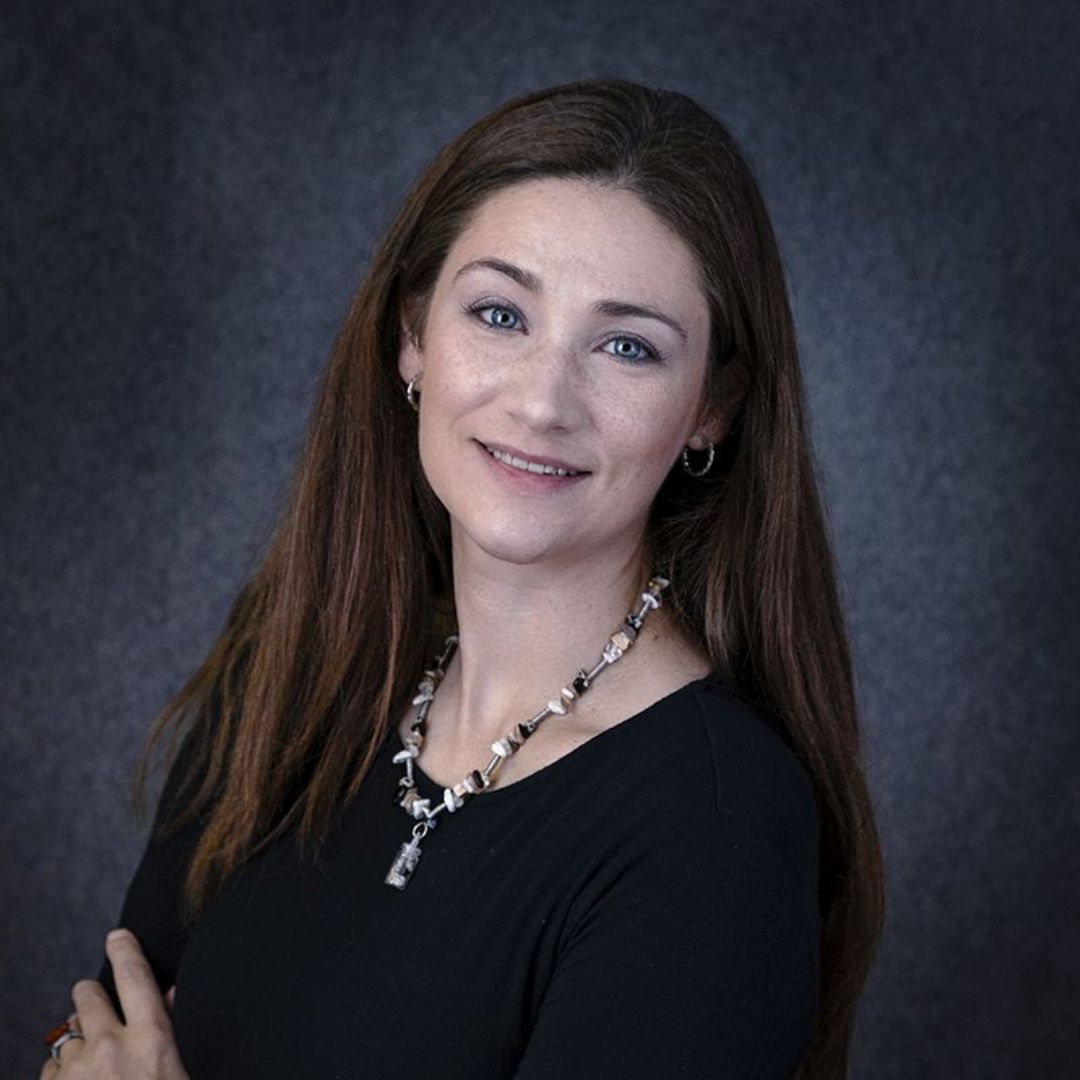
Molly J. Mackey is an author, speaker and trainer of leaders. She believes that by intentionally intersecting the ongoing journeys of leadership and learning we can create better leaders and Better Leaders = Better Lives ™Molly is the founder and chief learning officer of the LEAdeRNship Institute and has over 20 years of business and speaking experience. She has a passion for business, strategy, leadership and learning. She holds a Masters of Business Administration from the University of Iowa and a Certified Professional of Talent Development (CPTD) from the Association of Talent Development. Molly works with human services organizations, healthcare and hospital associations around the country to provide leadership training and speaking.
.jpg?width=345&height=432&name=Alex_Smith_headshot_2022(1).jpg "Alex_Smith_headshot_2022(1)")
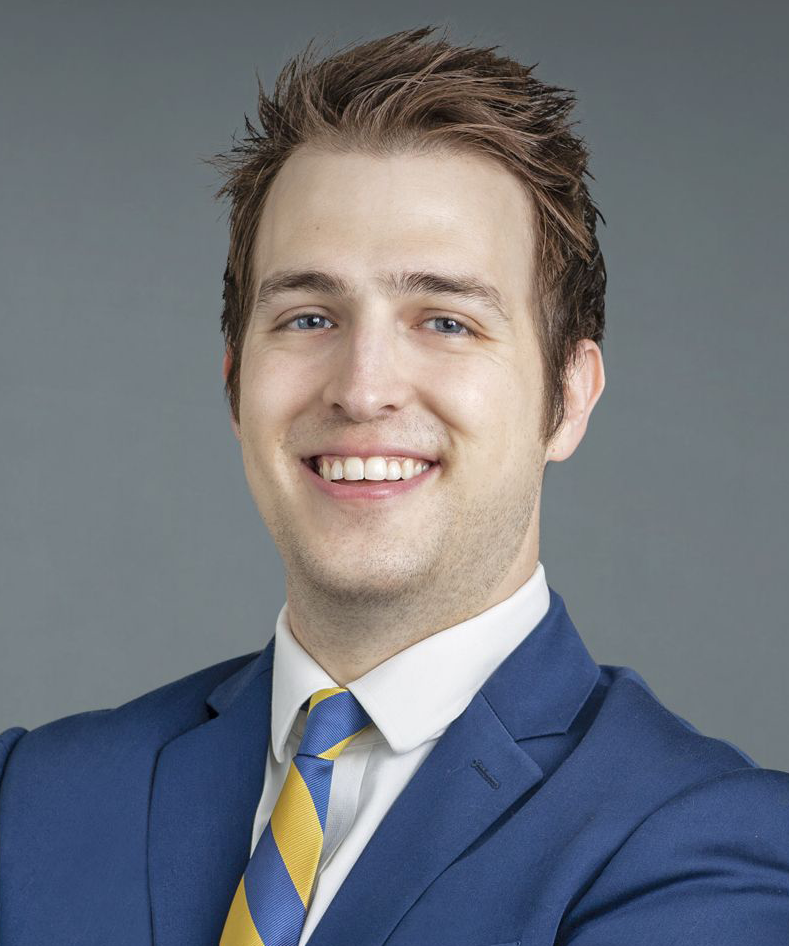
Dr. Alex Smith is the Medical Director of LifeServe Blood Center in Des Moines, IA. Last year LifeServe registered over 130,000 blood donations and distributed over 164,000 blood products to 175 hospitals in four states. Dr. Smith is originally from St. Louis, MO. He is board certified in Clinical Pathology and Blood Banking & Transfusion Medicine.
_(6).png?width=1666&height=2000&name=Hampton_HFM130205_(3)_(6).png "Hampton_HFM130205_(3)_(6)")
Dr. Hampton is a full-time emergency physician and has been board-certified in emergency medicine since 2007. He is also Clinical Assistant Professor in Emergency Medicine and Clinical Assistant Professor for the Department of Osteopathic Manipulative Medicine for the Chicago College of Osteopathic Medicine, Midwestern University. In addition to his busy lecture schedule, he completes around 600 hours of continuing medical education (CME) annually himself.
Dr. Hampton lectures nationally and internationally on a variety of emergency medicine topics for diverse audiences including the Emergency Nurses’ Association Annual & Leadership Conferences, the Canadian National Emergency Nurse's Association Annual Conference, the Society for Emergency Medicine Physician Assistant’s Annual Conference, American College of Emergency Physician’s Scientific Assembly, the University of Calgary Urgent Care Conference, the American College of Osteopathic Emergency Physician’s Spring Seminar, and the Society of Trauma Nurses Annual Trauma Conference. He has lectured in Arizona, California, Florida, Idaho, Illinois, Indiana, Louisiana, Michigan, Minnesota, Nevada, New Jersey, North Carolina, Ohio, Oregon, Pennsylvania, South Carolina, Tennessee, Texas, Washington, and Wisconsin. Dr. Hampton's lectures have also been featured online for the Society of Trauma Nurses, Contemporary Forums, ACOEP’s Digital Classroom, and QuantiaMD, an online physician education site.
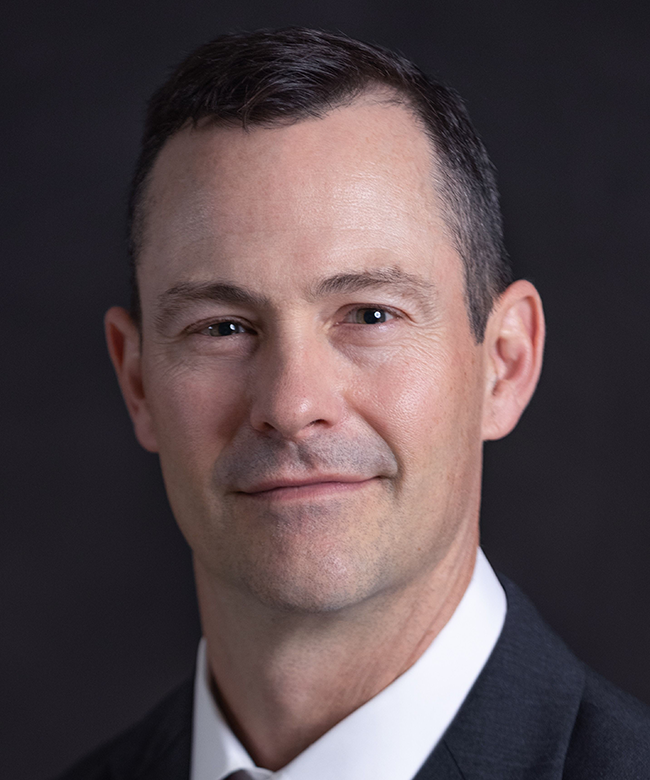
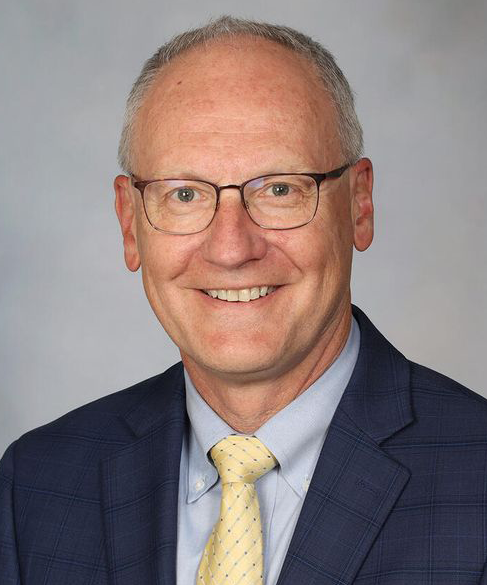
Dr. Thompson began his duties as Deputy State Medical Examiner in November 2016. He first arrived in 2008 and served as Associate State Medical Examiner at the Iowa Office of the State Medical Examiner until his appointment as Deputy State Medical Examiner in 2016. He is an Associate Professor of Pathology with the University of Iowa and an Adjunct Assistant Professor of Forensic Pathology with Des Moines University.
He received a B.S. degree from the University of Iowa in Exercise Science and his M.D. from the University of Iowa School of Medicine. His four-year residency training took place at the University of Minnesota Medical Center and his fellowship in forensic pathology was done at the Hennepin County Medical Examiner's Office. Dr. Thompson is certified by the American Board of Pathology in Forensic Pathology, and Anatomic and Clinical Pathology.
Prior to Iowa, he was Assistant Medical Examiner with the Hennepin County Medical Examiner’s Office in Minneapolis, Minnesota.

Dr. Morcuende is a psychiatrist who works as a psychotherapist at Prairie Ridge Integrated Behavioral Healthcare in Mason City, Iowa. Her practice focuses on the intergenerational transmission of trauma by helping parents with unresolved childhood trauma establish a secure relationship with their children. In addition, Dr. Morcuende is currently providing agency-wide trauma and attachment training at Prairie Ridge. For fifteen years, Dr. Morcuende provided didactic training and psychotherapy supervision to psychiatrists in training at University of Iowa Hospitals and Clinics in her role as Clinical Associate Professor. Dr. Morcuende lives between Mason City and Iowa City and loves her community in Northern Iowa.