Spring Trauma Conference
Register for the live conference or virtual conference!
LIVE
Cost: $60
Registration deadline: April 3rd, 2026
VIRTUAL
Cost: $50
Registration deadline: April 3rd, 2026
-
8:00 - 8:30 a.m.
Registration & Refreshments
-
8:30 - 8:35 a.m.
Welcome & Introduction
Adam Herrick, DO -
8:35 - 9:35 a.m.
TXA & The Use of Blood in the Pre-Hospital Environment
Heather J. Goedken, RN, BSN, CFRN -
9:35 - 10:35 a.m.
Abdominal Trauma
Aidan Charles, MD
-
10:45 - 11:45 a.m.
Farm Accidents & Rural Trauma
Angela VanGilder, DO, FACS -
11:45 a.m. - 12:30 p.m.
Lunch (Muse Norris)
-
12:30 - 1:30 p.m.
Care of Severely Injured Pediatric Patient
Mark Mannenbach, MD -
1:30 - 2:30 p.m.
Care of the Agitated Pediatric Patient
Mark Mannenbach, MD
-
2:45 - 3:45 p.m.
Defusing H-Bombs: Managing Traumatic Brain Injuries
Jacob Miller, DNP, MBA, ACNP, ENP-C, CNS, NRP, FAEN, FAEMS -
3:45 - 4:00 p.m.
Conclusion
Adam Herrick, DO

New This Year!
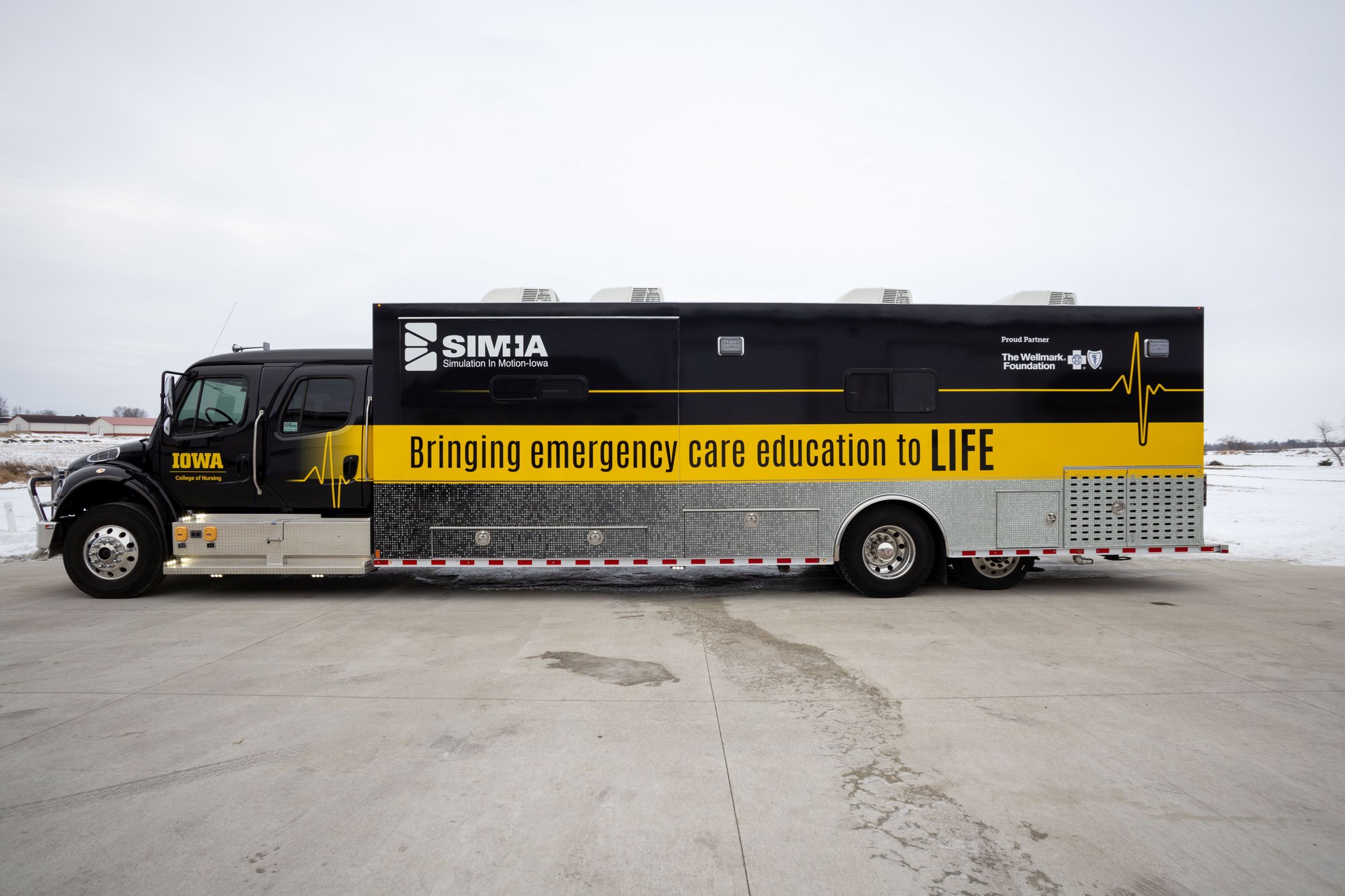
Simulation in Motion-Iowa (SIM-IA) will be offering a unique simulation experience! Attendees will have the opportunity to sign up for a one-hour simulation in place of one of the scheduled programs. See topics below.Continuing Education Credit
CME: This activity has been planned and implemented in accordance with the accreditation requirements and policies of the Iowa Medical Society (IMS) through the joint providership of MercyOne North Iowa Medical Center and North Iowa Area Community College. MercyOne North Iowa Medical Center is accredited by IMS to provide continuing medical education for physicians.
MercyOne North Iowa Medical Center designates this live activity for a maximum of 6 AMA PRA Category 1 Credit(s)TM. Physicians should claim only credit commensurate with the extent of their participation in the activity.
6 CEHs for EMS personnel. North Iowa Area Community College (NIACC) is approved by the Iowa Health and Human Services Bureau of Emergency and Trauma Services as a sponsor of continuing education programs for Emergency Medical Service (EMS) providers.
6 Contact hours for all other healthcare professionals
It is the licensee’s responsibility to determine if the continuing education program they attend meets the requirements of their professional licensure board. As a courtesy, NIACC lists contact hours for programs anticipated to qualify for professional continuing education. Contact hours are based on a 60-minute education hour.
Presenter: Heather J. Goedken, RN, BSN, CFRN
Description: This program will focus on managing hemorrhage in the pre-hospital environment. We will review when and how EMS providers can effectively use blood in the field, including indications, storage and handling considerations, and strategies for seamless integration into ground and air medical protocols. The presentation will also cover the role of tranexamic acid (TXA) in early hemorrhage control, emphasizing timing, dosing, and real-world application during high‑acuity trauma responses. Case examples from pre-hospital operations will highlight how early blood administration and TXA can improve survival, support efficient scene management, and strengthen trauma system performance.
Objectives:
- Define TXA (tranexamic acid) mechanism of action.
- Describe when TXA is used.
- List benefits of blood in the pre-hospital environment.
Presenter: Aidan Charles, MD
Description: Severe blunt or penetrating abdominal traumas are high risk emergencies that can rapidly become life threatening due to internal bleeding and organ injury. This course will discuss the essential knowledge and practical skills needed to recognize abdominal trauma, perform rapid assessments, identify red flag findings, and initiate early lifesaving interventions and will encompass pre-hospital evaluation, in-hospital management and recovery.
Objectives:
By the end of this course, participants will be able to:- Identify key mechanisms of injury associated with blunt and penetrating abdominal trauma.Recognize early signs of internal bleeding and life threatening abdominal injury.
- Identify external signs of abdominal trauma that demonstrate possible severe abdominal injury.
- Differentiate stable vs. unstable patients to guide prehospital priorities.
- Initiate appropriate prehospital interventions including hemorrhage control, shock management, and safe patient positioning.
- Communicate critical findings effectively during trauma activation handoffs.
- Support rapid decisions including when to activate trauma alerts.
- Define imaging modalities for trauma evaluations including FAST exams and CT scans.
- Demonstrate optimization of care in the post-evaluation period by recognizing signs suggesting the need for surgery or re-operation and symptoms of decompensation or delayed recovery.
Presenter: Angela VanGilder, DO, FACS
Description: This program will present commonly seen farm accidents while analyzing pitfalls and goals of management.
Objectives:
- List common injury patterns in falls.
- Describe traumas associated with farm equipment (grain bins, agars, tractors).
- Define difficulties with traumas in rural locations.
- Analyze Stop the Bleed and how that applies to rural trauma patients.
Presenter: Mark Mannenbach, MD
Description: Children are often injured but thankfully not severely. Healthcare providers may not have much experience caring for those children who need immediate interventions. This presentation is intended to remind providers of the best approach to caring for this unique patient population considering the unique anatomic and physiologic features of children. Several cases will be shared to allow for application of concepts to patient care.
Objectives:
- Articulate the steps in both the primary and secondary survey of injured children.
- Identify the unique aspects of the care of injured children regarding airway management, recognition of shock, blood product administration, imaging studies and laboratory testing.
- Recognize and discuss case presentations of injured children.
Presenter: Mark Mannenbach, MD
Description: The frequency with which pediatric patients present to the acute care setting in an agitated state has been increasing over the past several years. The best approach to the care of these children and while also keeping ED staff safe has not been firmly established. This presentation will outline the challenges to caring for these children and offer potential solutions. The concepts of verbal de-escalation, chemical, and physical restraint will be addressed through a case-based approach.
Objectives:
- Apply various techniques, including verbal de-escalation, chemical restraint, and physical restraint, when caring for the agitated pediatric patient.
Presenter: Jacob A. Miller, DNP, MBA, ACNP, ENP-C, CNS, NRP, FAEN, FAEMS
Description: Traumatic brain injury (TBI) is a leading cause of morbidity and mortality. Although the primary injury is likely irreversible, personnel responding to and caring for patients with TBI must be vigilant to avoid allowing (or worse, causing) secondary brain injuries. This presentation identifies the various “H-bombs” that we must aggressively prevent and treat in this population.
Objectives:
- Identify and describe the different “H-bombs” of TBI management.
- Formulate a treatment plan for a patient with isolated TBI.
- Differentiate isolated TBI from the polytrauma patient with concomitant brain injury, and contrast patient management strategies in these two divergent groups.
SIMIA Topics
Summary: This high-fidelity simulation places learners in the care of an adult patient trapped beneath a collapsed structure for an extended period of time. Following extrication, what initially presents as a complex trauma case evolves into a high-risk medical emergency driven by crush syndrome and metabolic derangements. Participants must perform a systematic trauma assessment, manage respiratory compromise and shock, and anticipate life-threatening complications such as hyperkalemia and rhabdomyolysis.
Summary: This high-fidelity simulation places learners in the care of an adult patient trapped beneath a collapsed structure for an extended period of time. Following extrication, what initially presents as a complex trauma case evolves into a high-risk medical emergency driven by crush syndrome and metabolic derangements. Participants must perform a systematic trauma assessment, manage respiratory compromise and shock, and anticipate life-threatening complications such as hyperkalemia and rhabdomyolysis.
Description: This high-fidelity simulation places learners in the care of a 6-year old child exposed to a live electrical wire following a severe storm. What initially appears to be a minor injury rapidly evolves into a high-risk, multisystem emergency. Participants must perform a structured primary assessment, recognize the unique dangers of electrical injuries, manage pediatric pain and anxiety, and respond to evolving cardiac dysrhythmias.
Objectives:
-
Apply a structured ABCDE approach to identify and manage life-threatening injuries in both adult and pediatric patients.
-
Recognize and manage tension pneumothorax and initiate interventions to stabilize respiratory function.
-
Identify evolving shock and respond with appropriate fluid resuscitation and monitoring.
-
Recognize signs of crush syndrome/hyperkalemia and initiate treatment in accordance with protocols.
-
Prioritize interventions in a dynamic trauma scenario, including balancing respiratory compromise, shock, and metabolic derangements.
-
Demonstrate effective teamwork through leadership, role clarity, and closed loop communication in a high-stress trauma environment.
-
Recognize high-risk features of electrical injuries, including occult burns, dysrhythmias, and multisystem involvement.
-
Initiate early burn management appropriate for electrical injuries, including exposure, thermal protection, and wound coverage.
-
Identify and manage cardiac complications related to electrical injury, including ectopy and unstable tachyarrhythmias using PALS-based care.
-
Demonstrate appropriate pain management and vascular access strategies in a frightened pediatric patient.
-
Anticipate and communicate secondary complications of electrical burns (e.g., rhabdomyolysis, renal injury, compartment syndrome) and the need for specialty consultation or transfer.

Heather J. Goedken, RN, BSN, CFRN is an experienced flight nurse with 11 years on MercyOne Air Med, serving communities across northern Iowa and beyond. Heather responds to both scene calls and critical access hospital transfers, caring for some of the sickest adult and pediatric patients and bringing high‑level critical care directly to the field—often alongside EMS teams.
She has over 26 years in healthcare, including broad experience before becoming an RN, working in long‑term care, med‑surg, pediatrics, mental health, nursery care, and burn care. As an RN for 16 years, her background includes ICU, cardiac cath lab, emergency care in critical access settings, Iowa Donor Network, and interfacility transport of high‑acuity cardiac patients—a combination that gives her a deep understanding of the continuum from roadside to receiving facility.
Heather is heavily involved in community outreach and landing zone education, helping ground crews improve scene safety and coordination. She serves on the STEMI Committee, deployed during the COVID‑19 response, supports trauma and public‑relations events, and helped organize the 2021 Critical Care FlightBridgeEd Review Course in Clear Lake. She is an instructor for PALS, ACLS, and BLS, and maintains an extensive list of transport and trauma‑related certifications essential to safe, high‑acuity flight operations. Her education includes an MBA and BSN from Upper Iowa University, an ADN from Northeast Iowa Community College, and a BA from the University of Iowa. She is also currently working on her MSN in Education.
Heather says her greatest accomplishment is raising her two high‑energy kids, Emma and Coy—who share her resilience and drive.
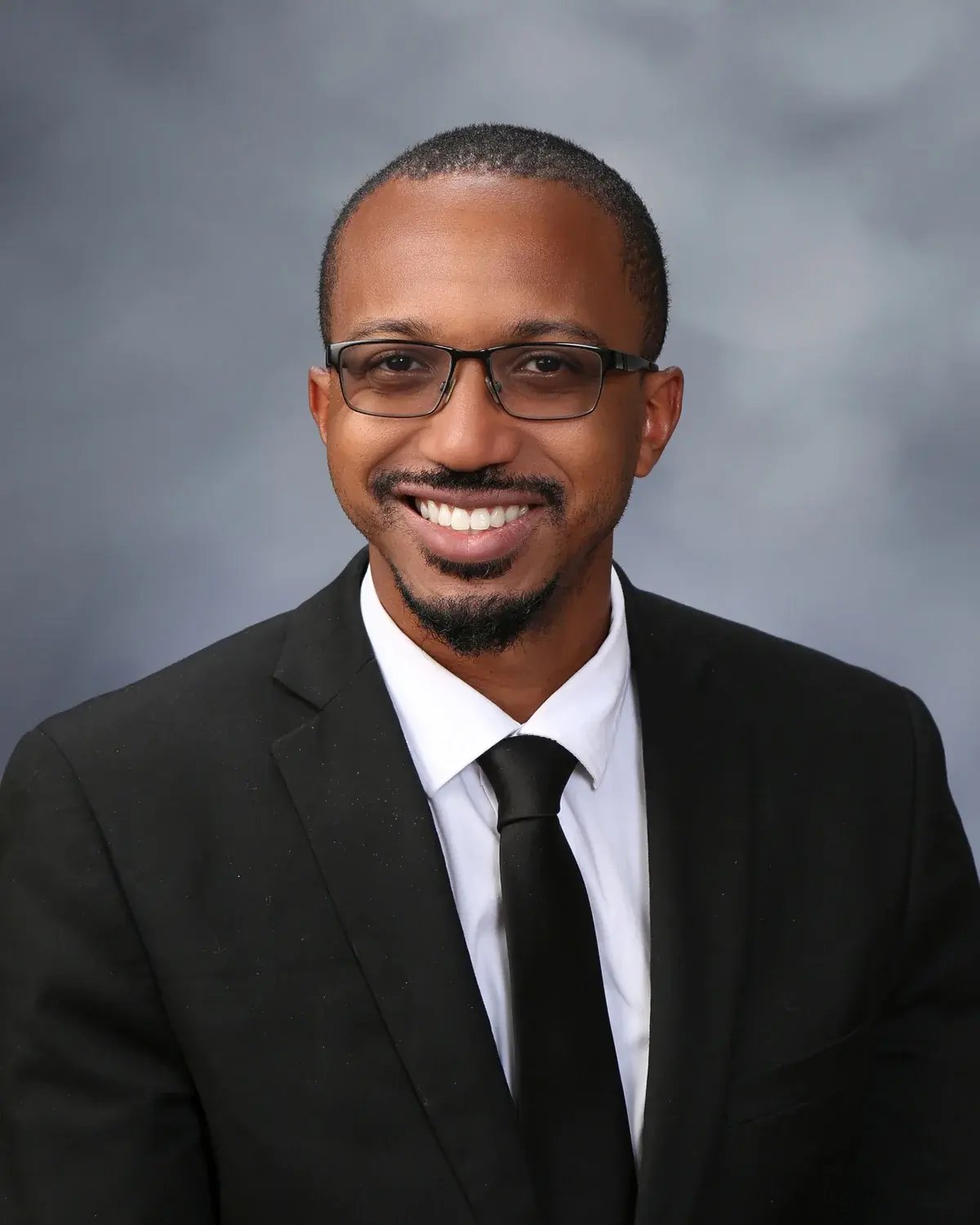
Dr. Aidan Charles is a board-certified general surgeon and surgical intensivist with advanced training in critical care. He completed his general surgery residency at the UCF COM/HCA Ocala Regional program and his fellowship in Trauma/Critical Care at the University of Florida.
Dr. Charles currently practices as a trauma and acute care surgeon, providing comprehensive surgical management for critically ill and injured patients at MercyOne North Iowa in Mason City. His clinical work is complemented by a strong commitment to medical education, having mentored residents and medical students throughout his training and early career.
He has held multiple leadership roles, including service on Morbidity and Mortality and Residency Improvement committees, and he has contributed to the development of robotic surgery training programs in residency. His research background focuses on trauma outcomes, with publications in The American Surgeon, the Journal of Surgical Research, and the American Journal of Clinical Pathology. He has presented his work at national and international surgical meetings and is an active member of the American College of Surgeons.
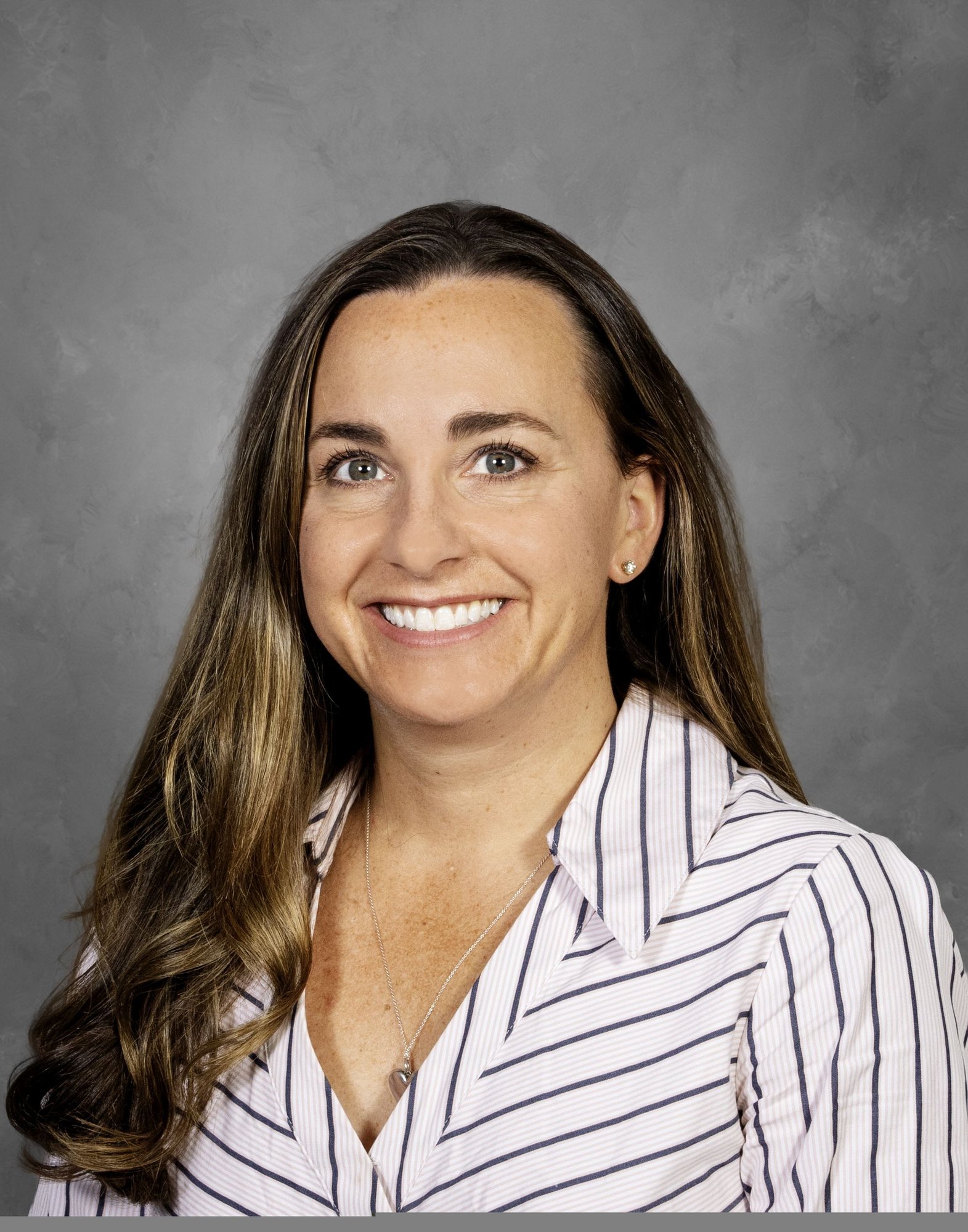
Dr. VanGilder is a board-certified general surgeon, with extensive experience in emergency and elective procedures, minimally invasive surgery, and comprehensive post-operative care. She grew up in Des Moines, Iowa and completed her undergraduate degree at University of Iowa. She then went to Midwestern University for medical school and completed her general surgery training in Phoenix. She moved back to Iowa in 2017 and practices general surgery while serving as Chief Medical Officer and Chief of Surgery at Floyd County Medical Center in Charles City, IA.
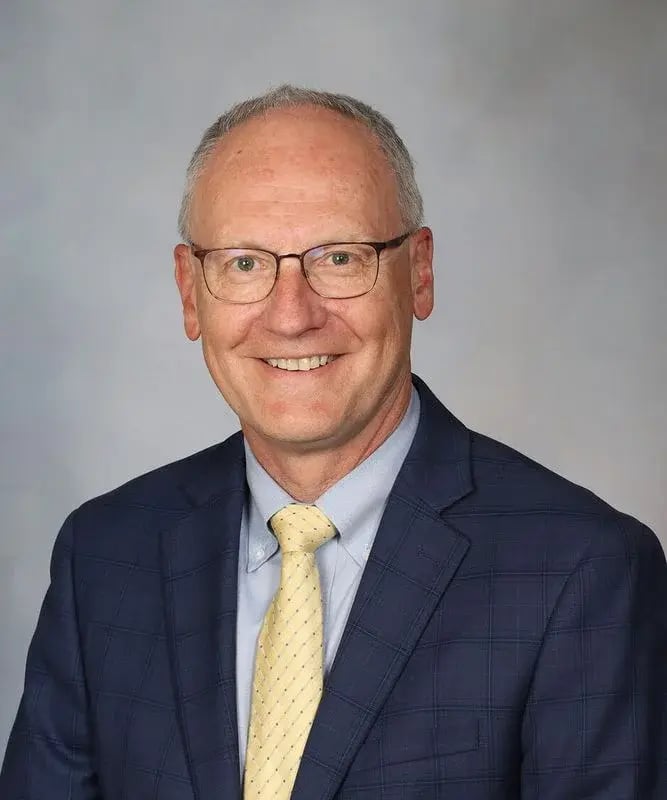
Dr. Mark Mannenbach has been a pediatric emergency medicine clinician and educator for his entire career. He practiced pediatric emergency medicine in academic referral hospitals in the upper Midwest of the US during his 35+ year career. He retired from clinical practice in 2022 and has continued to provide educational experiences for pediatric and emergency medicine residents, ED nursing staff, and advanced practice providers. His special interests include pediatric procedures, pediatric patient safety, recognition of child physical and sexual abuse, and pediatric resuscitation. He utilizes multiple educational formats with a special interest in in situ simulation as a tool to prepare others to provide state-of-the-art care to acutely ill and injured children. He currently serves as the Salt & Light Partners Lead Chaplain for the paramedics, EMT’s, and dispatchers of the Mayo Clinic Ambulance Service in Rochester, MN. He and his wife have 4 grown children, 4 “adopted in-laws”, and six grandchildren.
(1).jpg?width=1494&height=1649&name=Jacob_Miller_Headshot_(003)(1).jpg "Jacob_Miller_Headshot_(003)(1)")
Jacob Miller is a highly accomplished Nurse Practitioner, Clinical Nurse Specialist, and Paramedic with over 2 decades experience in EMS, critical care, and critical care transport. Jacob received his Master’s degree in acute care from the University of Maryland, post-master’s certificate in advanced transport nursing from Case Western Reserve University, and his Doctorate in Nursing Practice from the University of Cincinnati.
Jacob sits on the Ohio EMS Board’s Medical Oversight and Critical Care subcommittees, is an at-large director for the Air & Surface Transport Nurses Association, co-chairs the EMS Special Interest Group with the American Academy of Emergency Nurse Practitioners, is a member of the Emergency Nursing Association’s EMS Advisory Council, and a member of the National Association of EMS Physicians’ Committee on Prehospital Advanced Practice Providers. His impact on the field has earned him significant recognition, including being named one of ENA Connection’s “20 Under 40”, an inaugural “40 Under 40” honoree by the Association of Air Medical Services, and induction as both a Fellow of the Academy of Emergency Nursing and a Fellow of the Academy of Emergency Medical Services.
Jacob currently practices as a critical care nurse practitioner, flight nurse, and paramedic in the greater Cincinnati, Ohio region.
-1.jpg?width=1600&height=2000&name=Bill_Hampton_Headshot_(cropped)-1.jpg "Bill_Hampton_Headshot_(cropped)-1")
Dr. Hampton is a full-time emergency physician and has been board-certified in emergency medicine since 2007. He is also Clinical Assistant Professor in Emergency Medicine and Clinical Assistant Professor for the Department of Osteopathic Manipulative Medicine for the Chicago College of Osteopathic Medicine, Midwestern University. In addition to his busy lecture schedule, he completes around 600 hours of continuing medical education (CME) annually himself.
Dr. Hampton lectures nationally and internationally on a variety of emergency medicine topics for diverse audiences including the Emergency Nurses’ Association Annual & Leadership Conferences, the Canadian National Emergency Nurse's Association Annual Conference, the Society for Emergency Medicine Physician Assistant’s Annual Conference, American College of Emergency Physician’s Scientific Assembly, the University of Calgary Urgent Care Conference, the American College of Osteopathic Emergency Physician’s Spring Seminar, and the Society of Trauma Nurses Annual Trauma Conference. He has lectured in Arizona, California, Florida, Idaho, Illinois, Indiana, Louisiana, Michigan, Minnesota, Nevada, New Jersey, North Carolina, Ohio, Oregon, Pennsylvania, South Carolina, Tennessee, Texas, Washington, and Wisconsin. Dr. Hampton's lectures have also been featured online for the Society of Trauma Nurses, Contemporary Forums, ACOEP’s Digital Classroom, and QuantiaMD, an online physician education site.
.jpg?width=345&height=432&name=Alex_Smith_headshot_2022(1).jpg "Alex_Smith_headshot_2022(1)")
Dr. Alex Smith is the Medical Director of LifeServe Blood Center in Des Moines, IA. Last year LifeServe registered over 130,000 blood donations and distributed over 164,000 blood products to 175 hospitals in four states. Dr. Smith is originally from St. Louis, MO. He is board certified in Clinical Pathology and Blood Banking & Transfusion Medicine.
_(6).png?width=1666&height=2000&name=Hampton_HFM130205_(3)_(6).png "Hampton_HFM130205_(3)_(6)")
Dr. Hampton is a full-time emergency physician and has been board-certified in emergency medicine since 2007. He is also Clinical Assistant Professor in Emergency Medicine and Clinical Assistant Professor for the Department of Osteopathic Manipulative Medicine for the Chicago College of Osteopathic Medicine, Midwestern University. In addition to his busy lecture schedule, he completes around 600 hours of continuing medical education (CME) annually himself.
Dr. Hampton lectures nationally and internationally on a variety of emergency medicine topics for diverse audiences including the Emergency Nurses’ Association Annual & Leadership Conferences, the Canadian National Emergency Nurse's Association Annual Conference, the Society for Emergency Medicine Physician Assistant’s Annual Conference, American College of Emergency Physician’s Scientific Assembly, the University of Calgary Urgent Care Conference, the American College of Osteopathic Emergency Physician’s Spring Seminar, and the Society of Trauma Nurses Annual Trauma Conference. He has lectured in Arizona, California, Florida, Idaho, Illinois, Indiana, Louisiana, Michigan, Minnesota, Nevada, New Jersey, North Carolina, Ohio, Oregon, Pennsylvania, South Carolina, Tennessee, Texas, Washington, and Wisconsin. Dr. Hampton's lectures have also been featured online for the Society of Trauma Nurses, Contemporary Forums, ACOEP’s Digital Classroom, and QuantiaMD, an online physician education site.
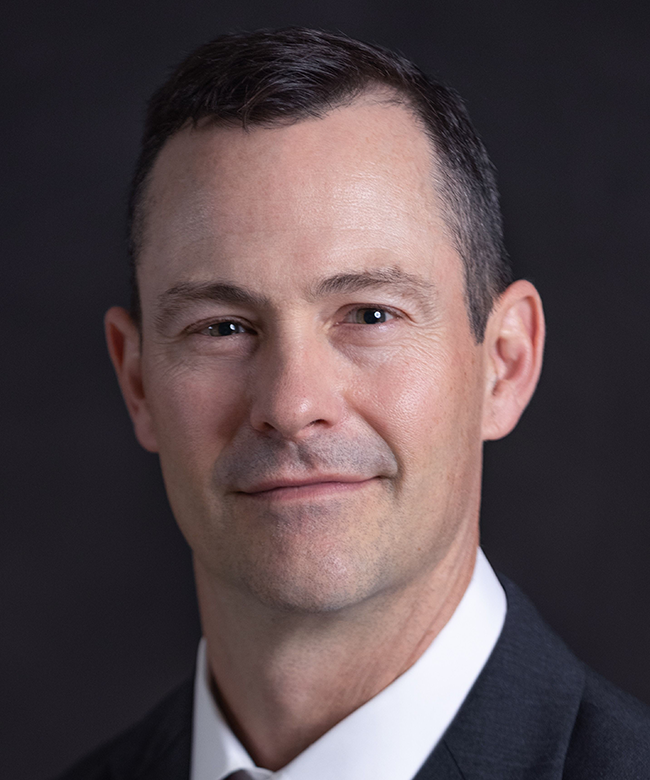
Dr. Thompson began his duties as Deputy State Medical Examiner in November 2016. He first arrived in 2008 and served as Associate State Medical Examiner at the Iowa Office of the State Medical Examiner until his appointment as Deputy State Medical Examiner in 2016. He is an Associate Professor of Pathology with the University of Iowa and an Adjunct Assistant Professor of Forensic Pathology with Des Moines University.
He received a B.S. degree from the University of Iowa in Exercise Science and his M.D. from the University of Iowa School of Medicine. His four-year residency training took place at the University of Minnesota Medical Center and his fellowship in forensic pathology was done at the Hennepin County Medical Examiner's Office. Dr. Thompson is certified by the American Board of Pathology in Forensic Pathology, and Anatomic and Clinical Pathology.
Prior to Iowa, he was Assistant Medical Examiner with the Hennepin County Medical Examiner’s Office in Minneapolis, Minnesota.
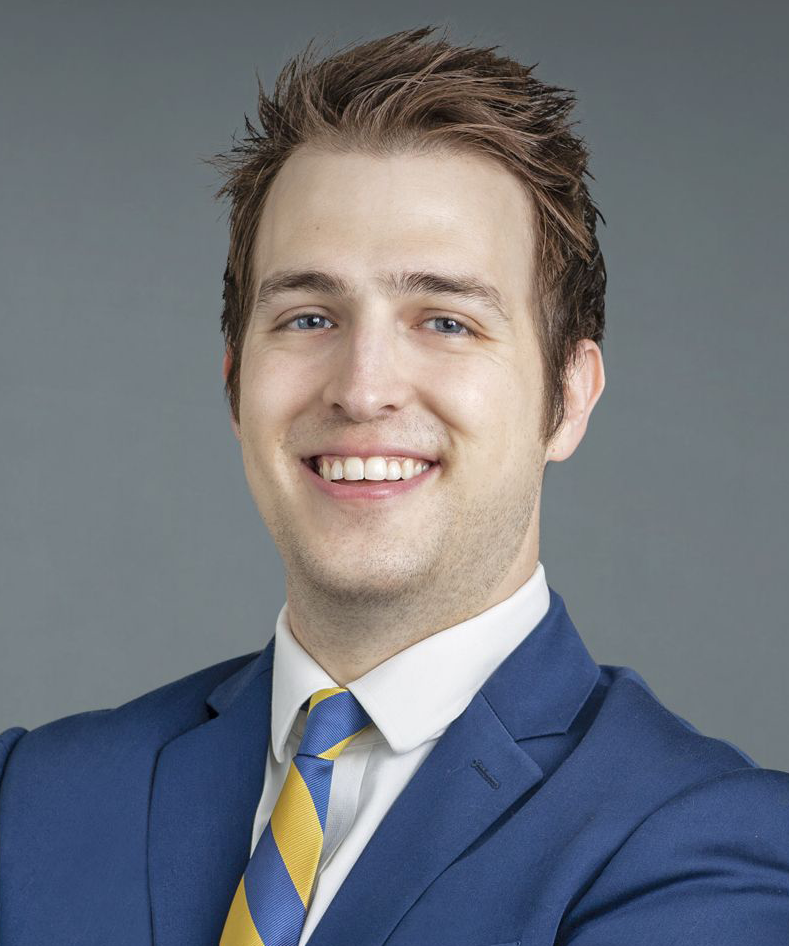
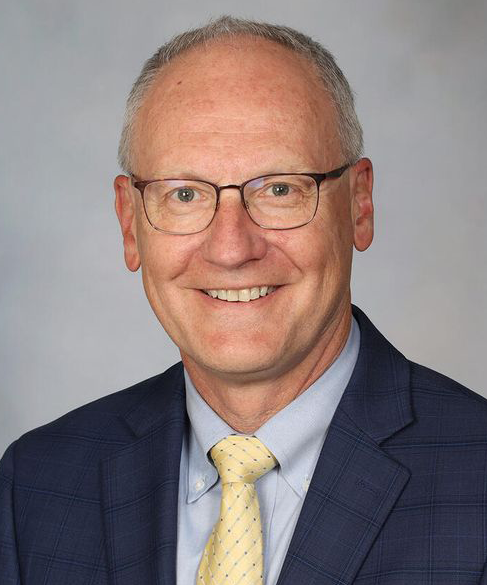
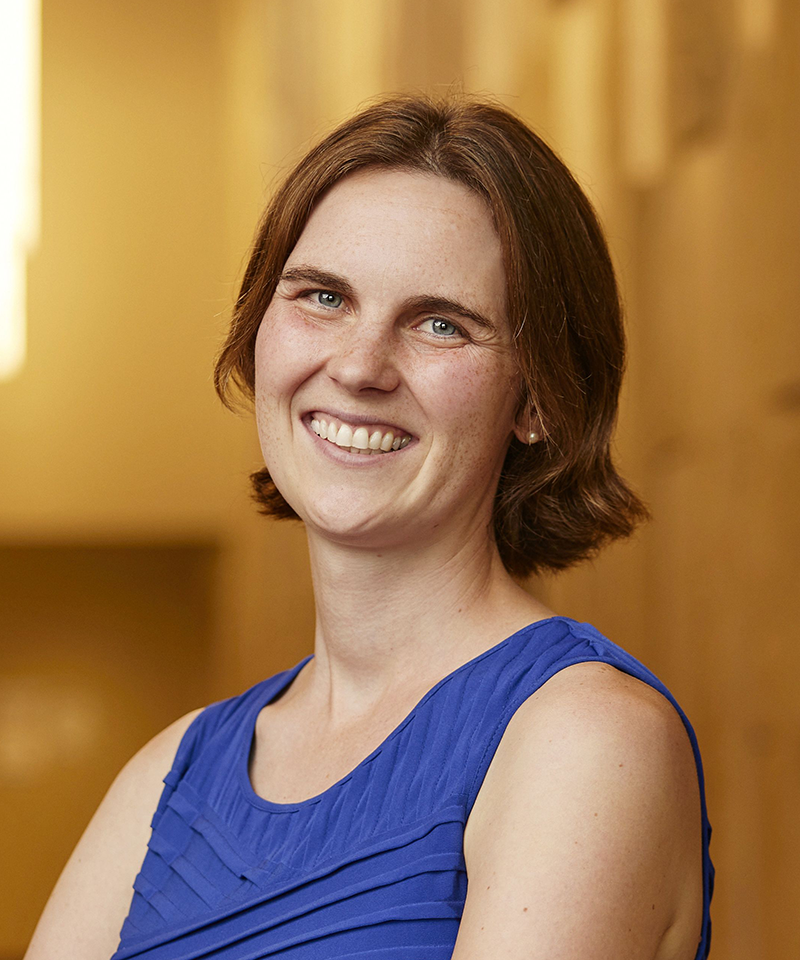
Dr. Morcuende is a psychiatrist who works as a psychotherapist at Prairie Ridge Integrated Behavioral Healthcare in Mason City, Iowa. Her practice focuses on the intergenerational transmission of trauma by helping parents with unresolved childhood trauma establish a secure relationship with their children. In addition, Dr. Morcuende is currently providing agency-wide trauma and attachment training at Prairie Ridge. For fifteen years, Dr. Morcuende provided didactic training and psychotherapy supervision to psychiatrists in training at University of Iowa Hospitals and Clinics in her role as Clinical Associate Professor. Dr. Morcuende lives between Mason City and Iowa City and loves her community in Northern Iowa.